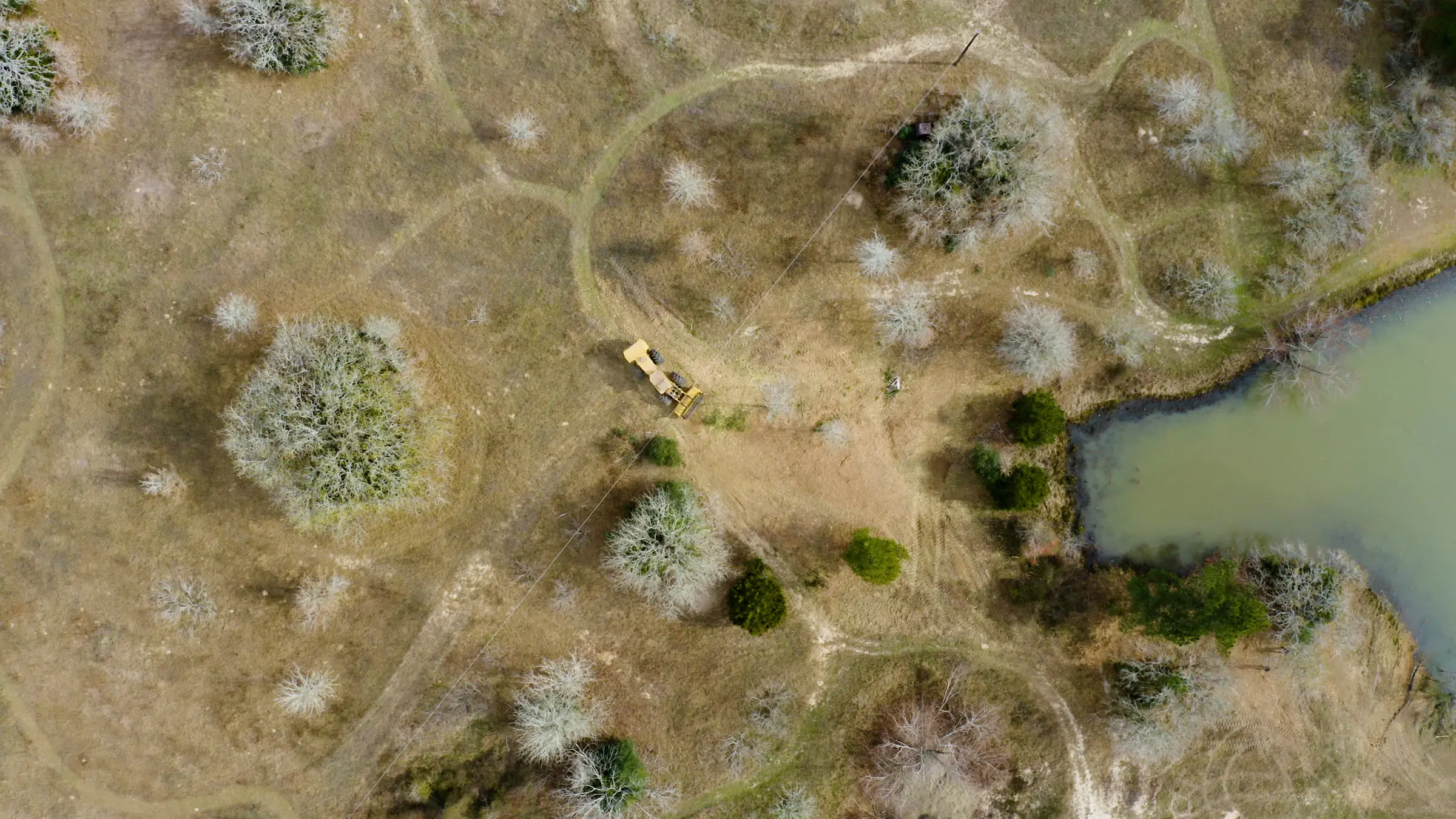
Wildlife land planning is habitat-conscious land clearing for ranches and hunting properties in Bertram, TX and across Central Texas. This part of the state is home to amazing wildlife, and our farms and ranches are their habitat, so we think about that before any machine moves.
The goal is clearing that improves browse, creates edges and travel corridors, opens shooting lanes and leaves cover where animals need it. Done that way, the land works better for you and for the deer, turkey and everything else living on it. It starts with an owner walking the property with you, talking through how you hunt, where the animals move and what you want the place to look like in a few years.
Hunting lanes and line of sight
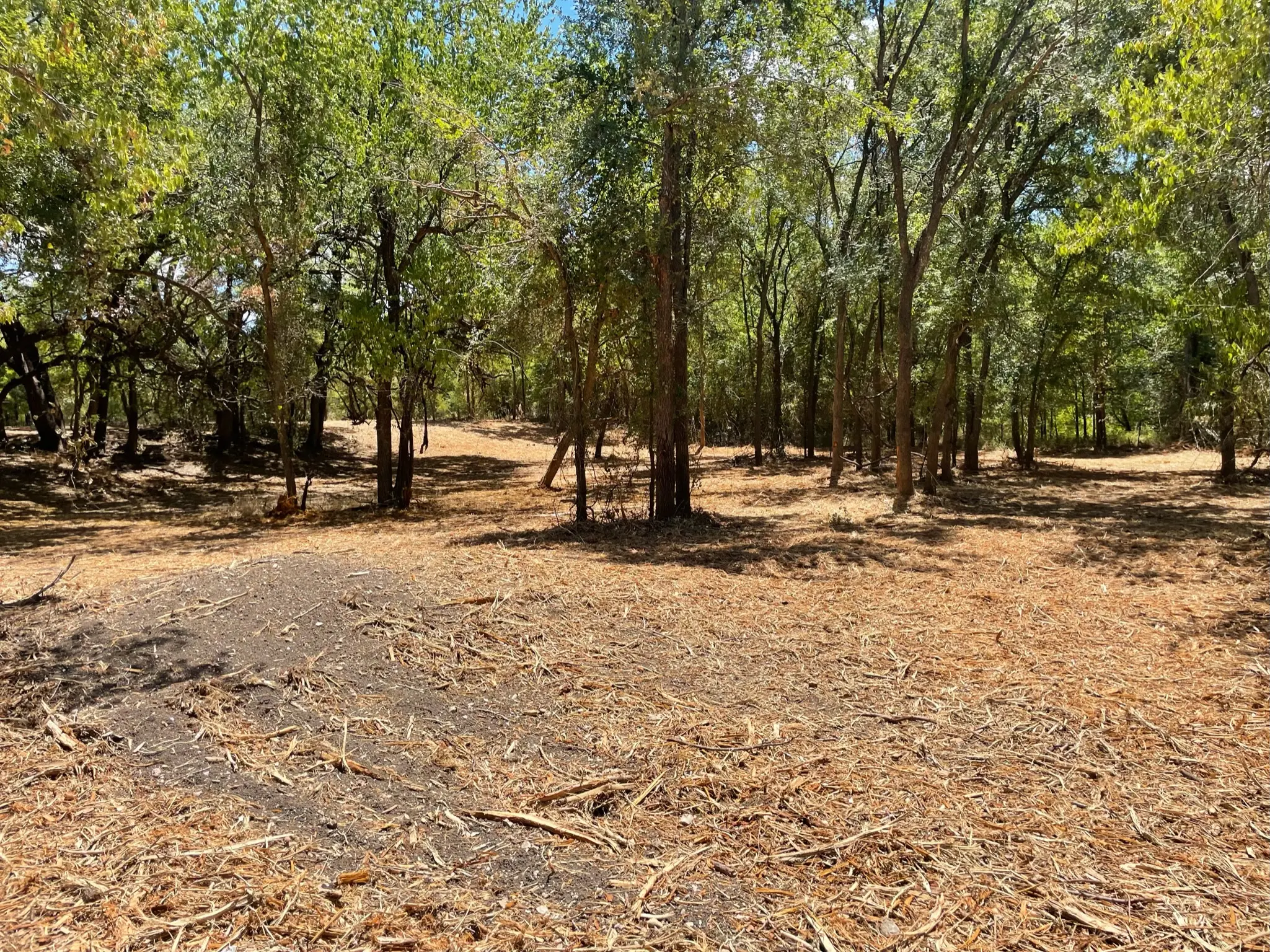
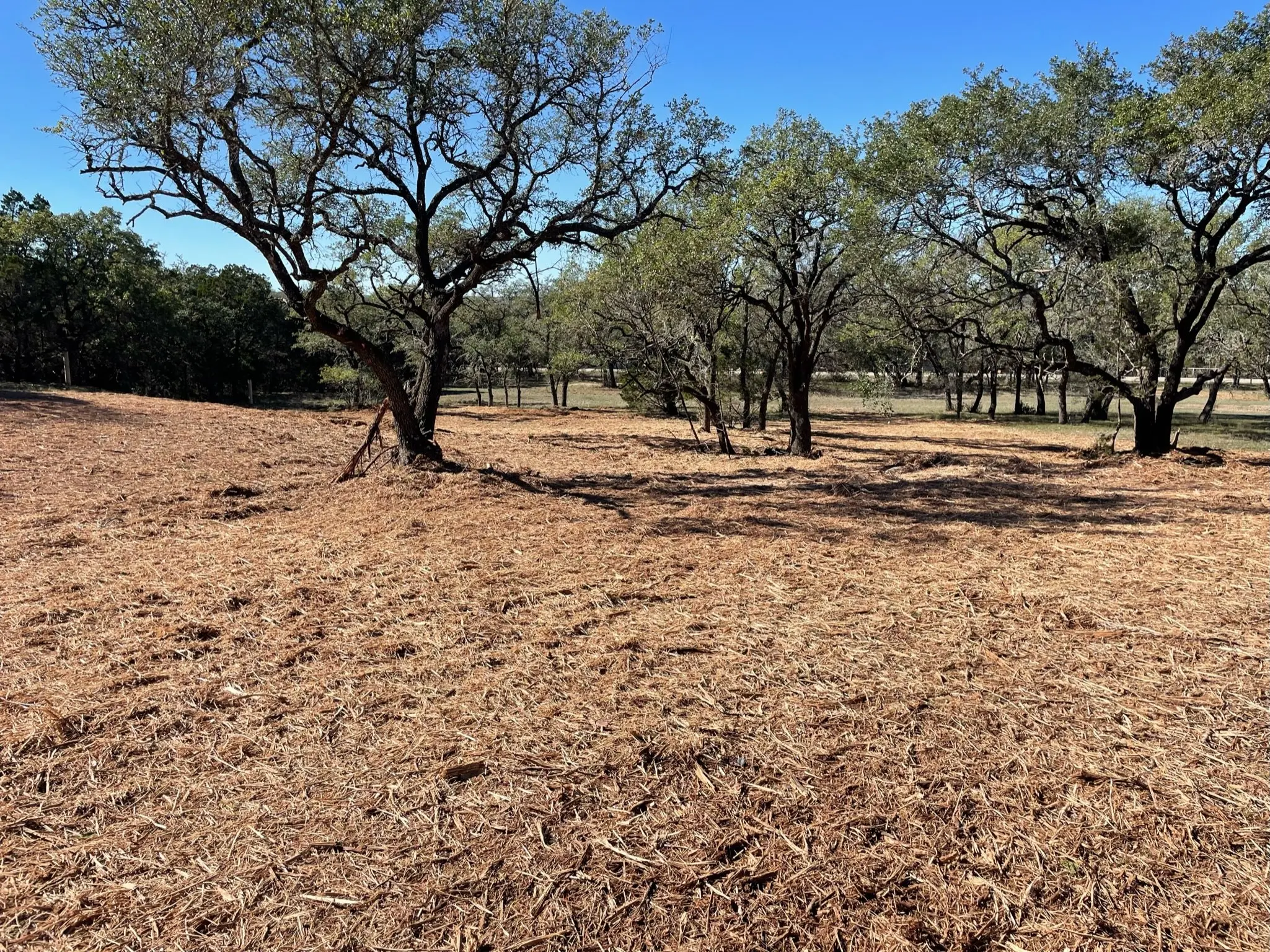
Hunting line of sight is one of the most requested jobs we do. We mulch shooting lanes out from your blinds and stands so you can see down them, and leave the brush on either side as cover.
Lanes, openings and views get laid out on the walk-through with you standing where you’ll actually hunt, so the cuts point where you need them. A lane that’s a little narrow can always be widened later. One that’s too wide can’t be put back.
Lanes also double as access. A well-placed lane lets you get a feeder truck or a side-by-side to a blind without crashing through brush and spooking everything nearby.
Trails and travel corridors
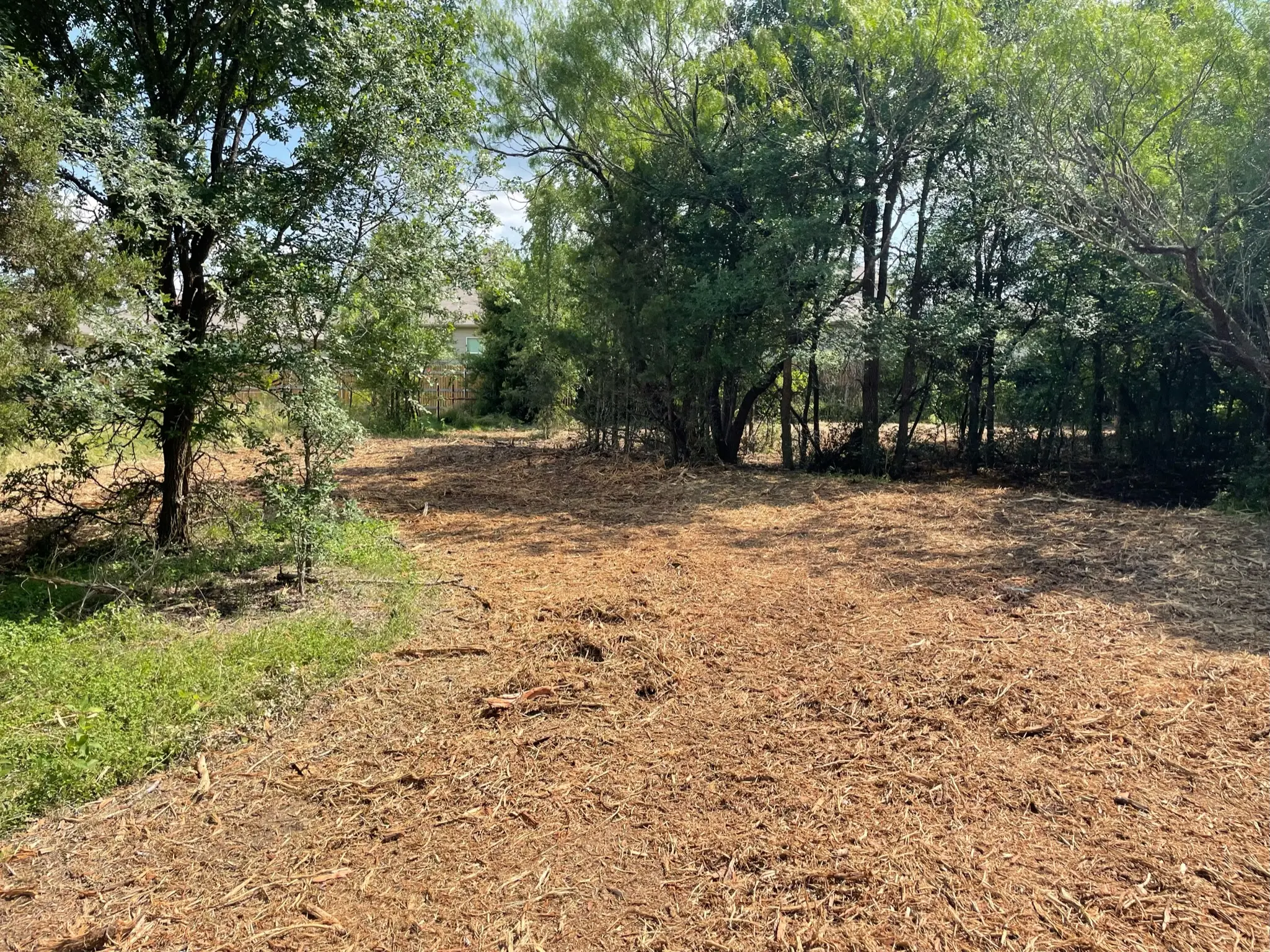
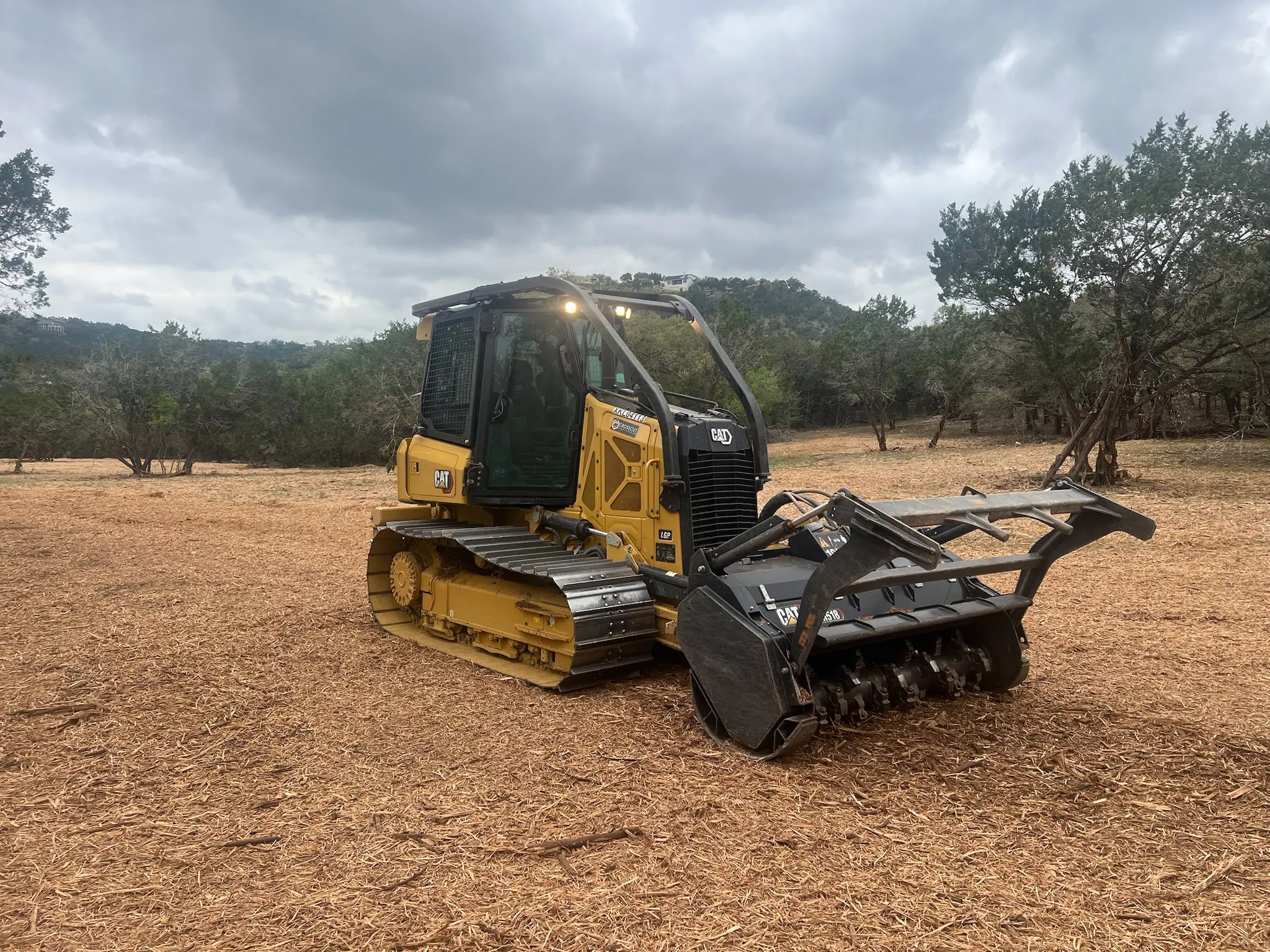
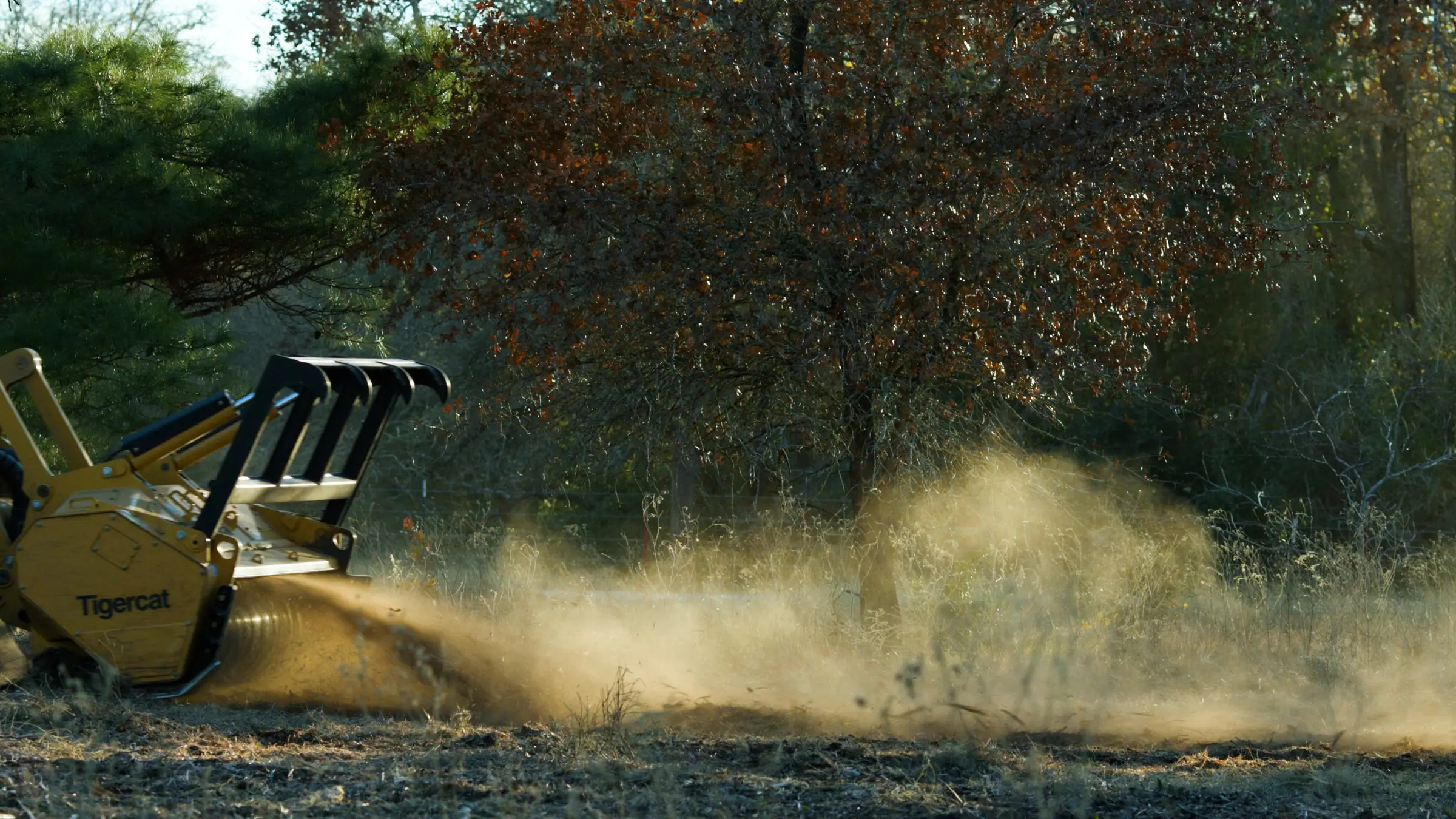
Trails let you get around the property quietly and give wildlife easy routes between bedding and feeding areas. We mulch trails along tree lines and through brush, with the Cat D1 dozer mulcher handling the narrow, winding ones.
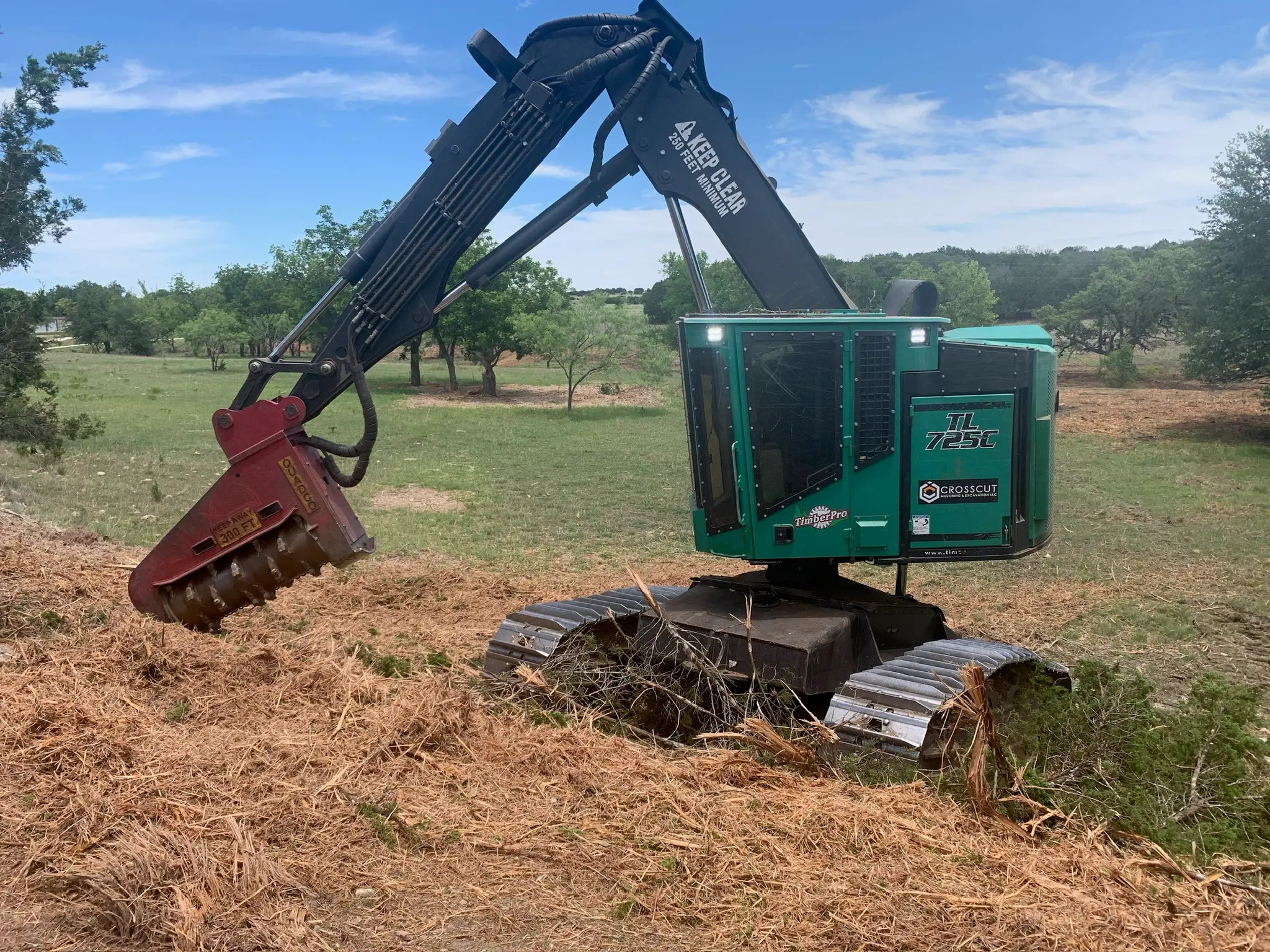
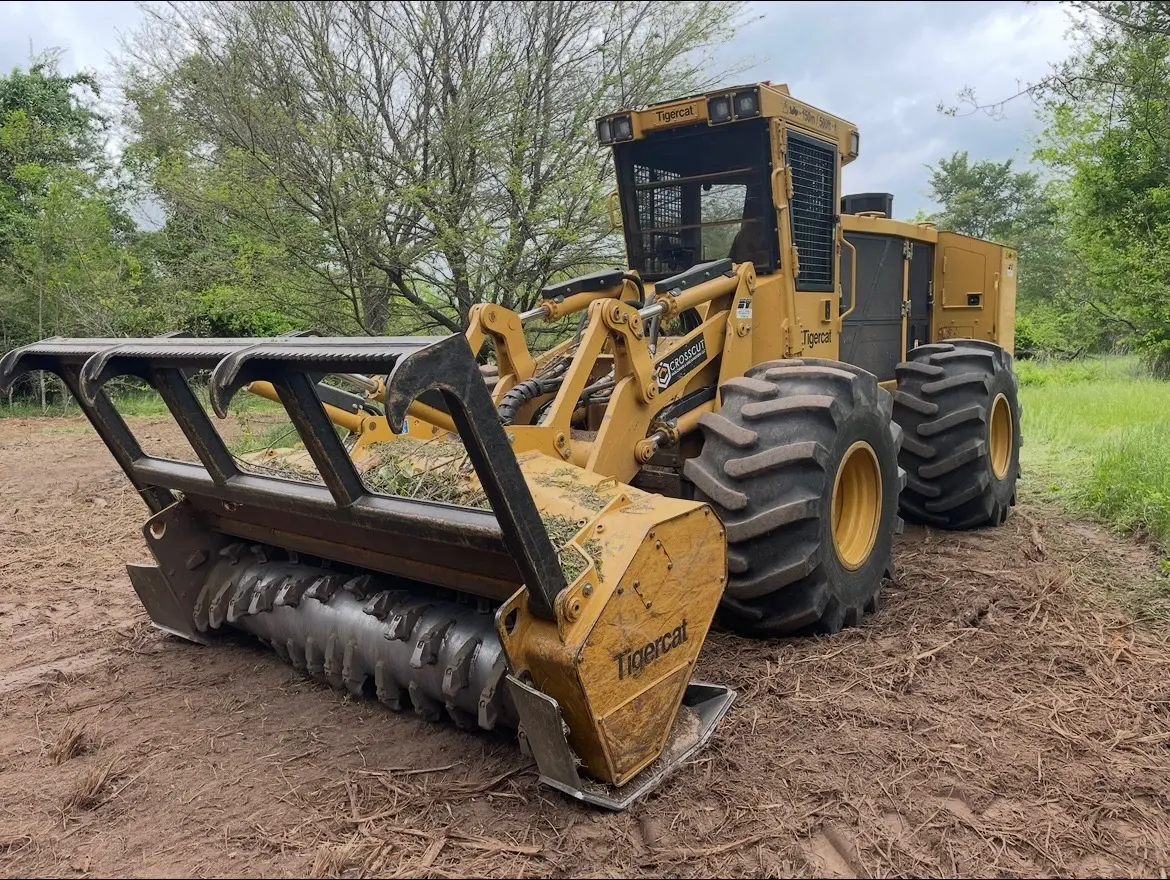
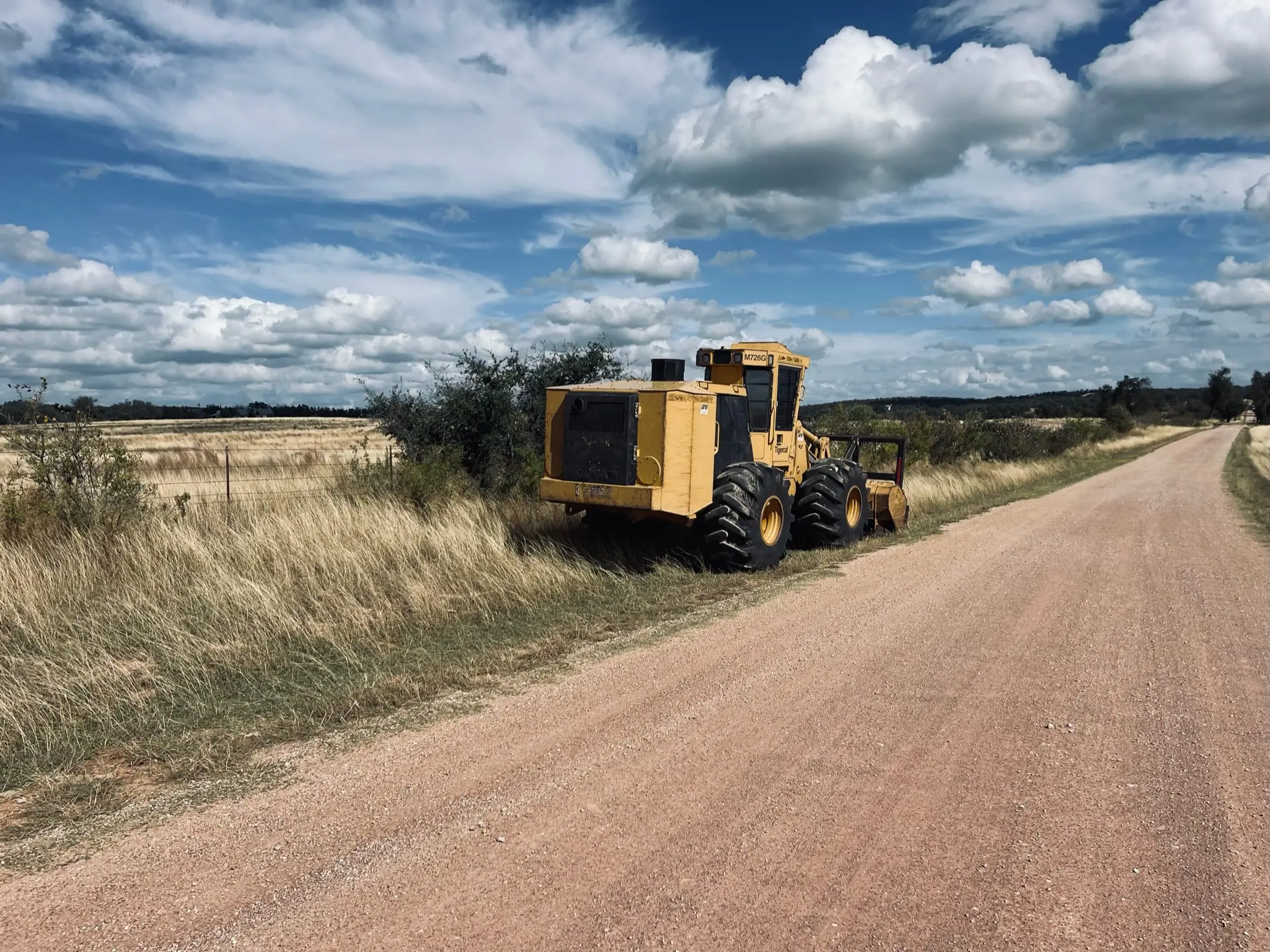
Wider lanes and longer runs go to the Timberpro TL725C or the Tigercat M726G. Corridors that animals already use stay connected so the clearing doesn’t cut the property into pieces.
Trails also make the property easier to manage. A good trail network lets you check feeders, fences and water without driving through the brush every time.
Food plots
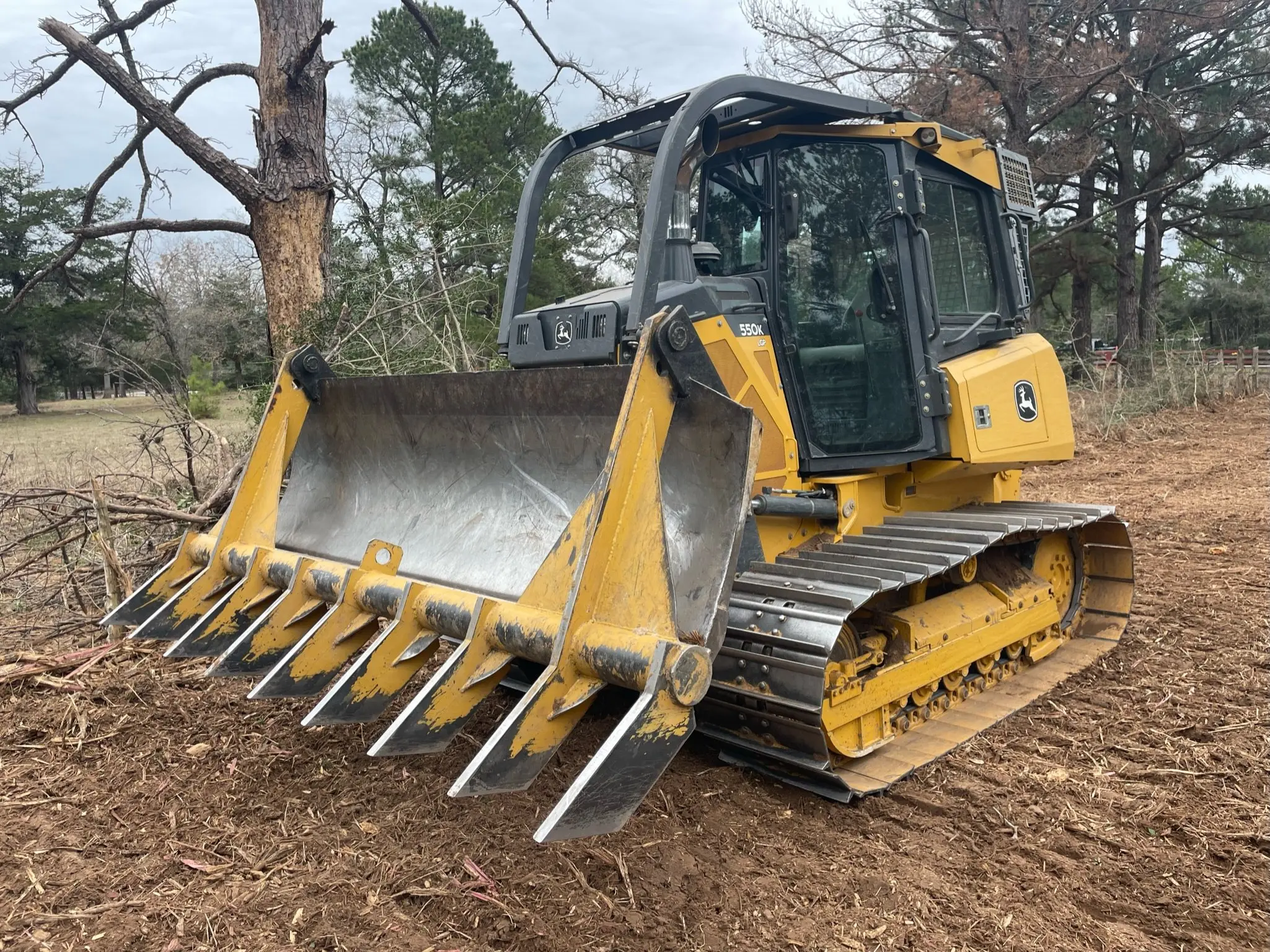
Food plots need open ground that can be worked. We clear the spot, and where the plan calls for it, the John Deere dozer with a root rake pulls stumps, roots and rock so the plot can be planted.
Plots tucked against cover tend to get used more than ones in the middle of an open field. Placement gets talked through on the walk, along with how you’ll reach them with equipment.
Clearing for a plot is a good time to look at the soil too. Ground that has been grubbed and raked is ready to be worked, and leaving a strip of brush around the edge gives wildlife cover right next to the food.
Browse, edges and cover
Deer feed on the new growth that comes back where brush has been opened. Mosaic cutting leaves islands of cover with openings and edges between them, which puts food and security close together.
Thick cover is left where animals bed. Clearing everything would hurt the very habitat you’re trying to improve, so the plan is as much about what stays as what goes.
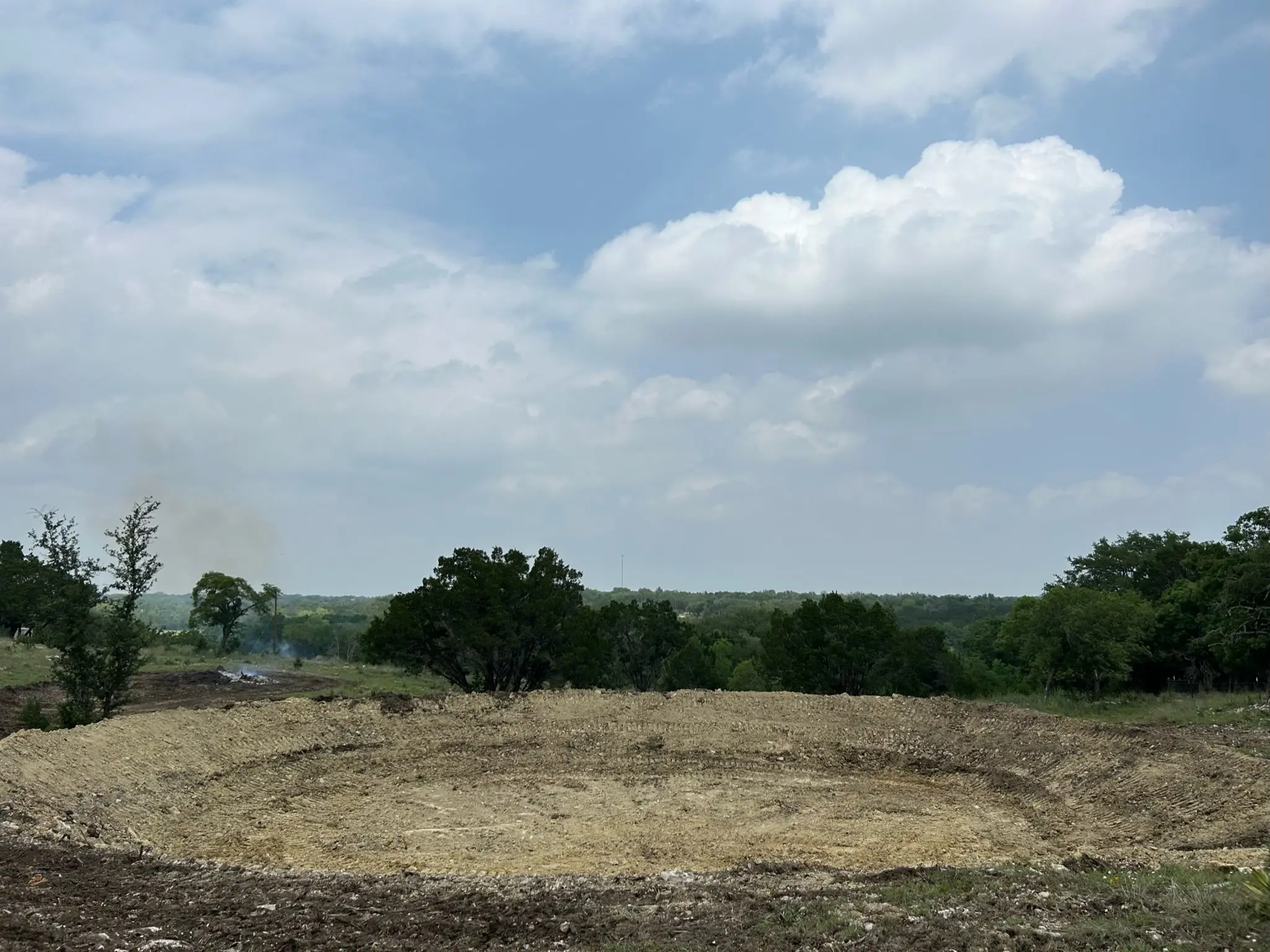
Water draws wildlife too. If your property needs a pond or an old tank cleaned out, that can be planned along with the lanes and openings so the whole place works together.
Bring in a biologist
Texas Parks and Wildlife runs the Private Lands and Habitat Program to help landowners conserve and manage wildlife habitat. Its biologists can answer questions about habitat management, wildlife in livestock operations, water, food sources, population management and harvest.
We gladly invite biologists from that program to walk the land with us before the job, so the clearing plan lines up with their recommendations.
You don’t need a biologist to get started, though. Plenty of owners come to the walk-through with a simple goal, like better sight lines from a blind or more browse for deer, and we build the plan from there.
What the job can include
- Wildlife habitat planning
- Hunting lanes and line of sight
- Trail mulching
- Food plot and trail preparation
- Browse improvement and edge creation
- Mosaic cutting
- Travel corridor and cover planning