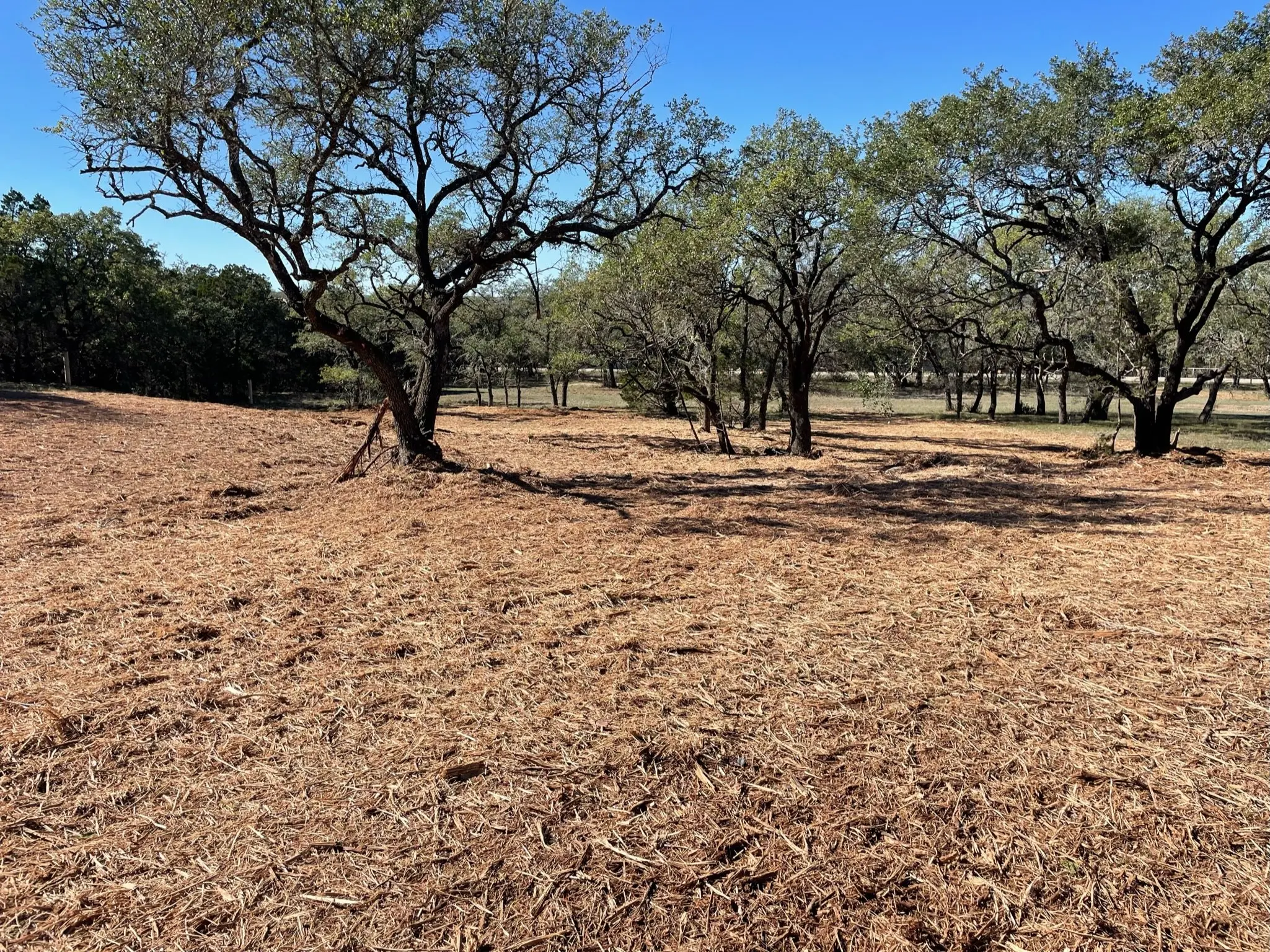
Selective clearing is for landowners in Bertram, TX and around Central Texas who want some trees and underbrush gone but want to keep the more desirable trees on the place. Most people we meet don’t want a bare lot. They want the brush out and the live oaks left standing.
It takes different techniques than complete clearing. We mark what stays, remove what competes with it, and open up the canopy without stripping the property. Done well, it can change how the whole place looks and feels, and it often makes the trees you keep healthier too. Every selective job starts with an owner walking the property with you, because nobody else can tell us which trees matter most to you.
It starts with marking what stays
On the walk-through, an owner goes tree by tree with you. The oaks, pecans and other hardwoods you want are marked, along with any area you want left alone. Everything the machines will touch gets agreed on before they show up.
That walk also settles the finish. Some owners want a park look with clean ground under every tree. Others want a little brush left for wildlife and privacy. Both are selective clearing, and both start with your call.
If you’re not sure which trees are worth keeping, ask. The owner walking with you can point out the healthy hardwoods, the ones crowded past saving and the cedar that’s doing the crowding.
Machines in the open, chainsaws up close
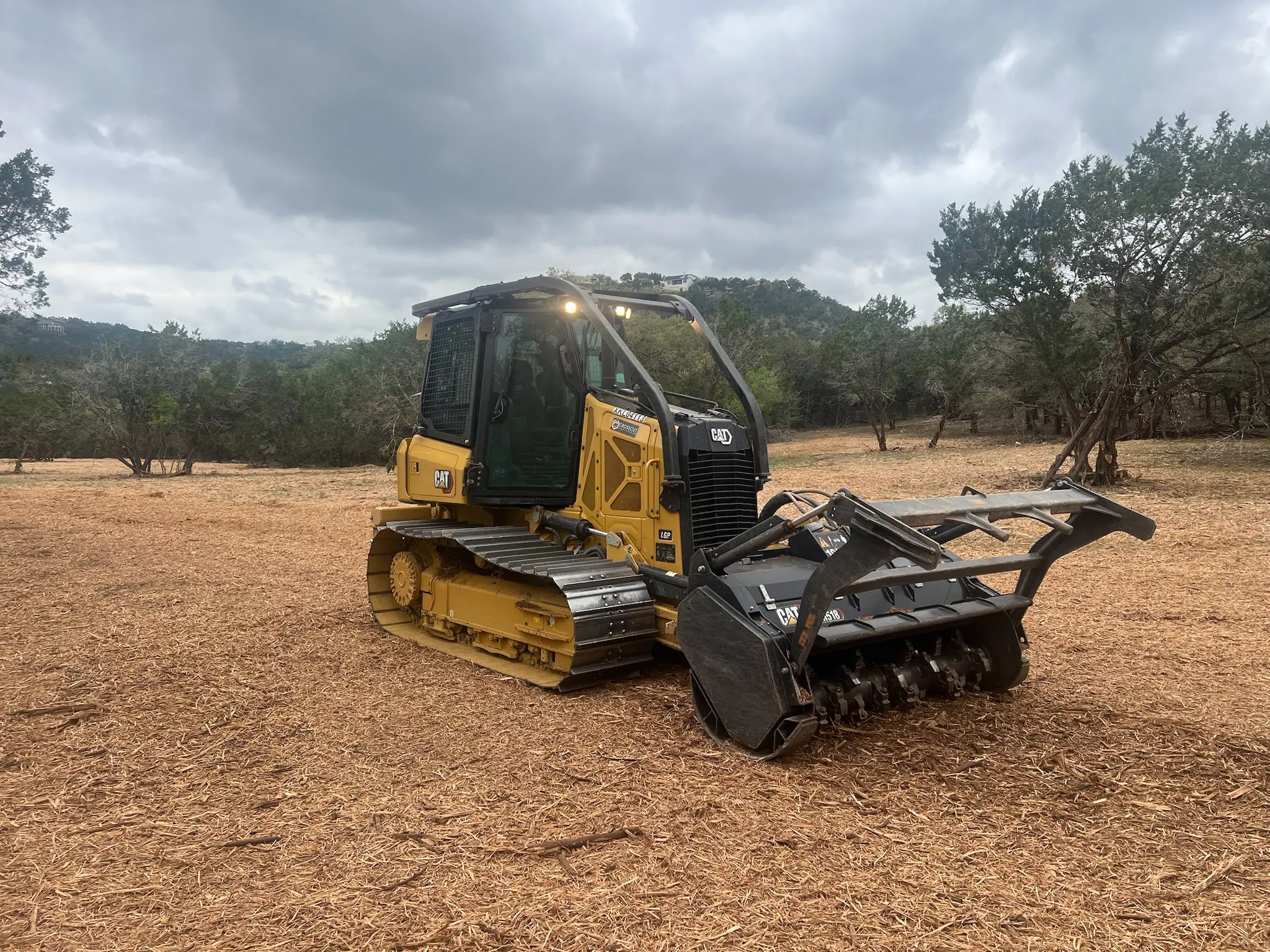
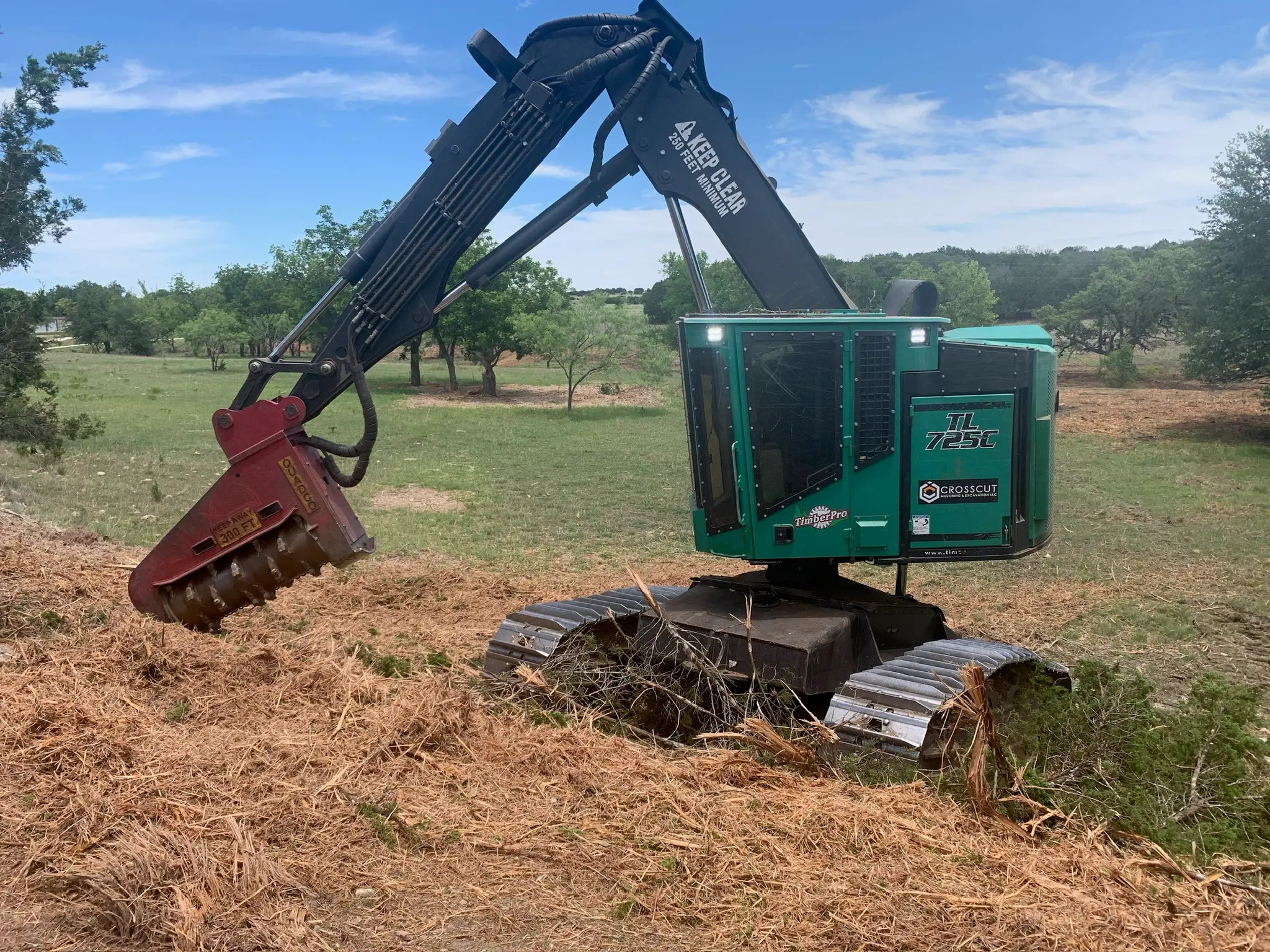
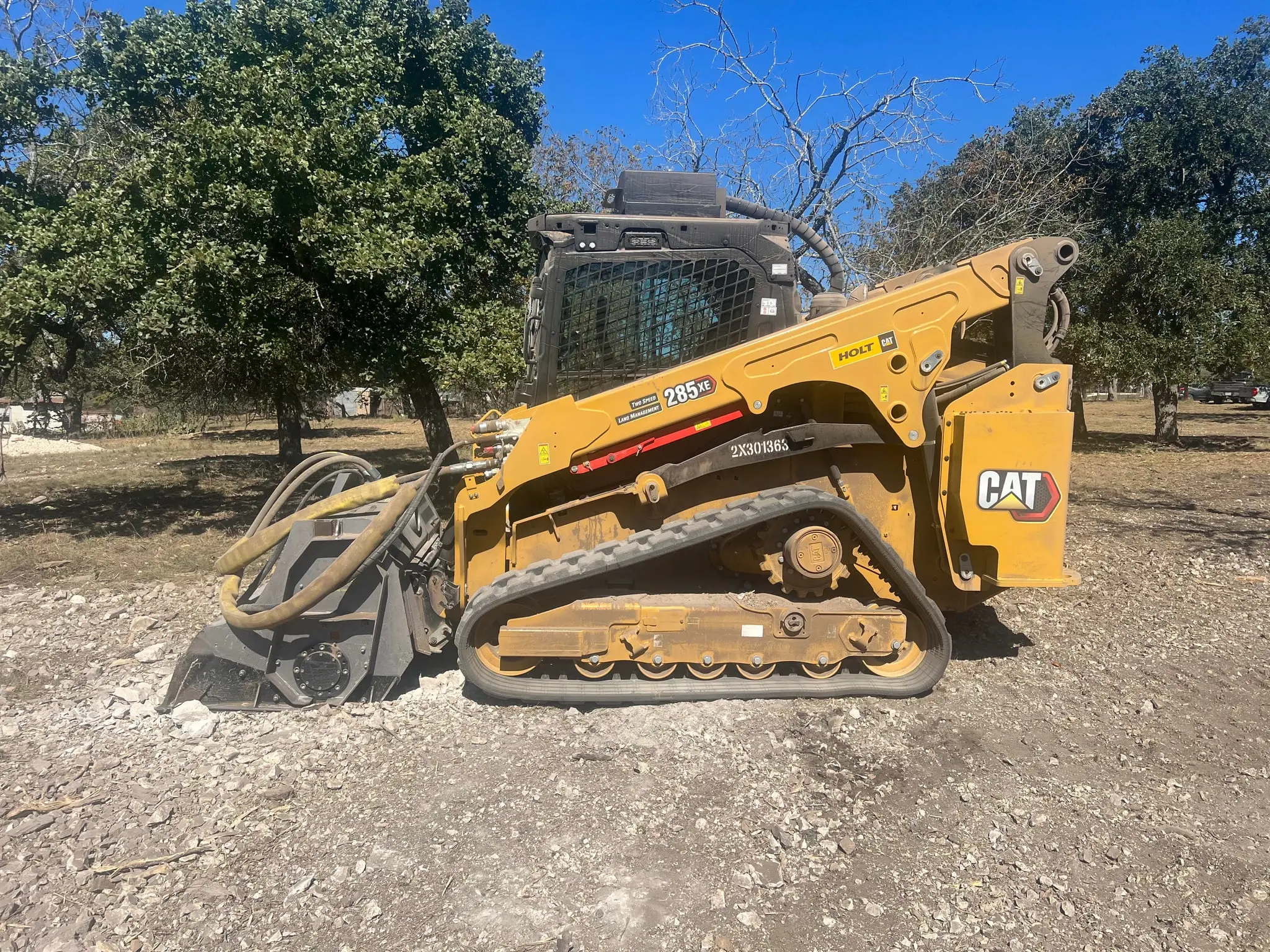
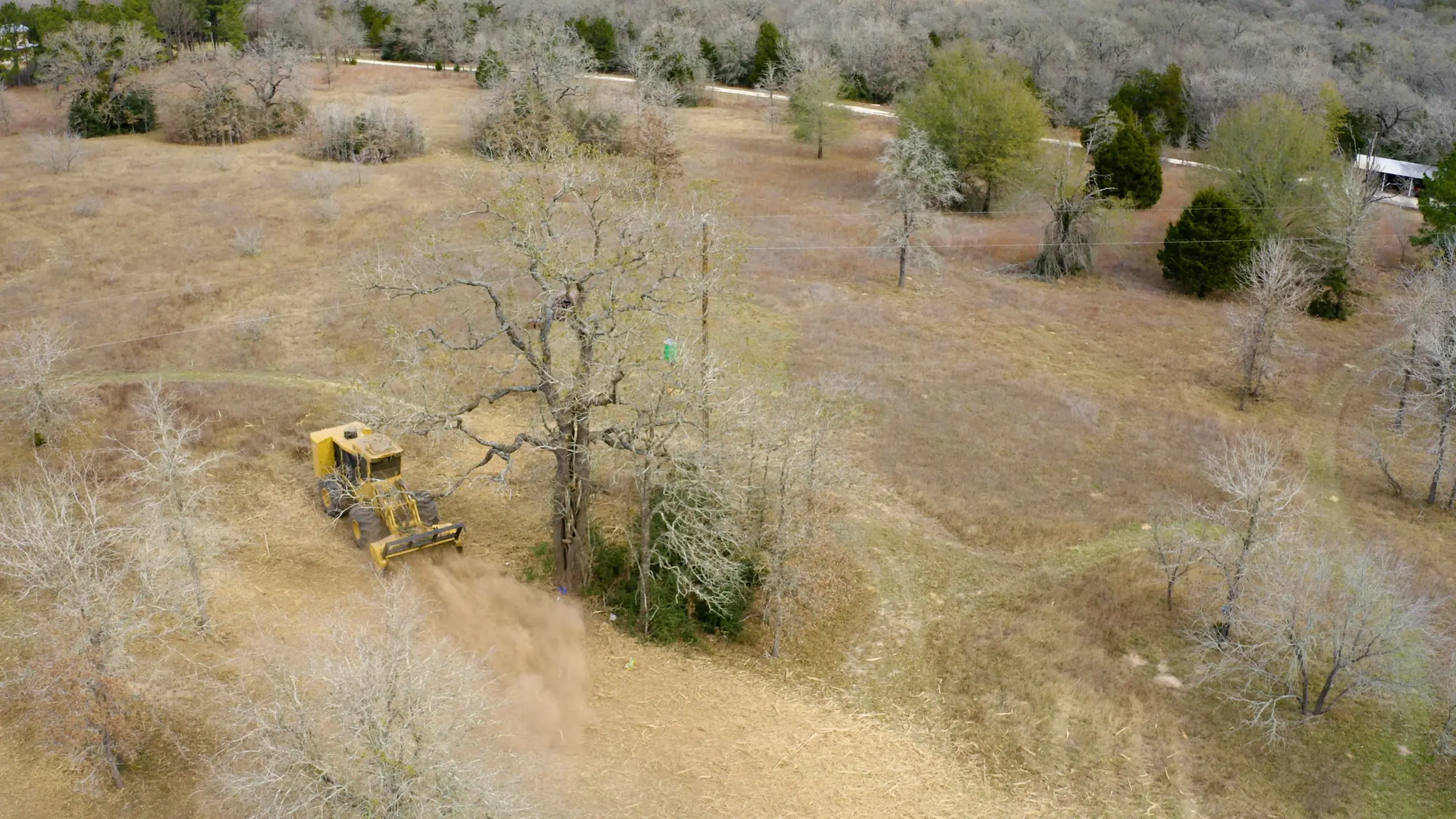
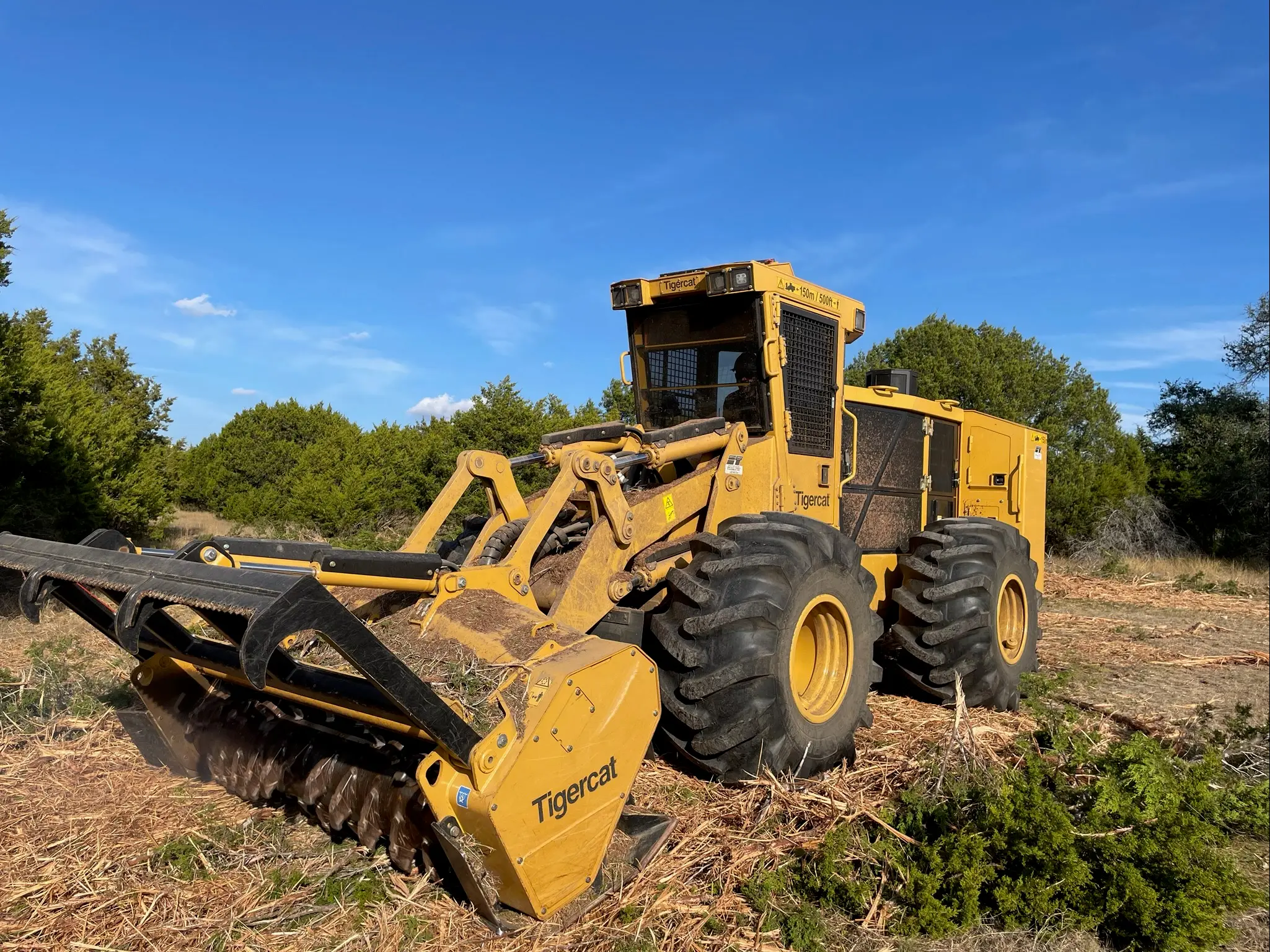
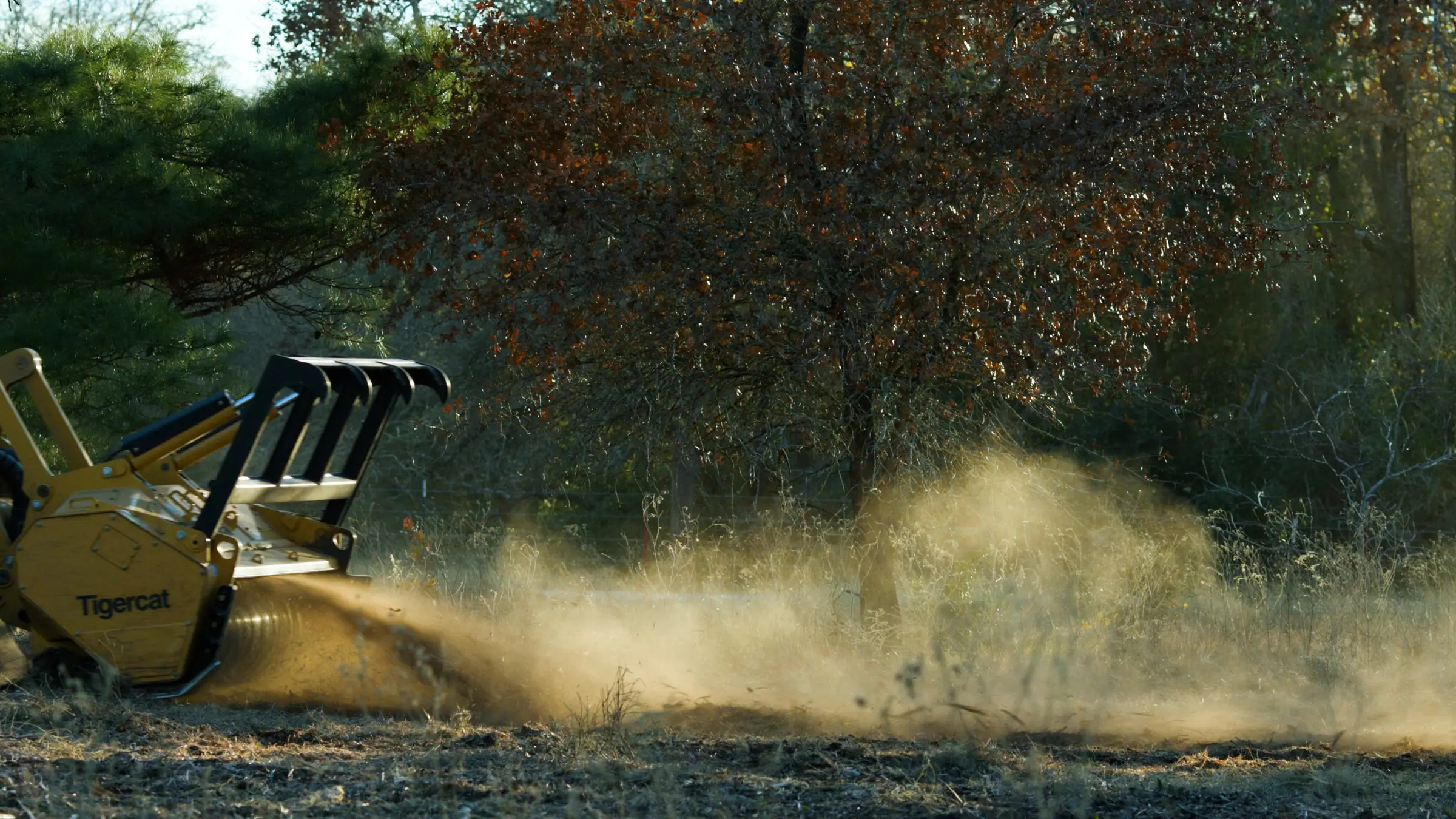
Mulchers do the open work between keeper trees. The Timberpro TL725C reaches in with its boom so the tracks stay back from trunks and roots, and the Cat D1 dozer mulcher and skid steer mulching heads fit between trees that sit close together.
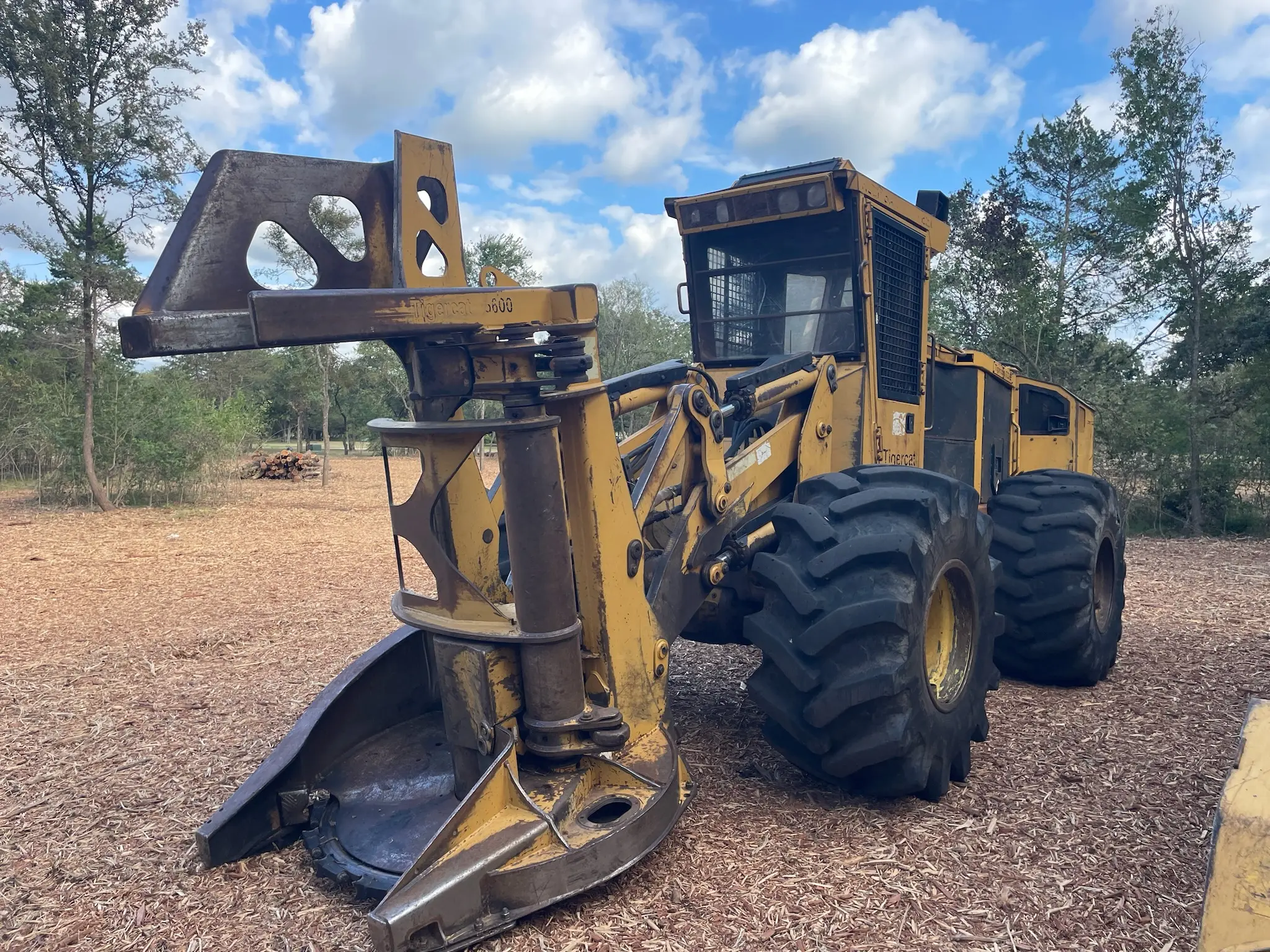
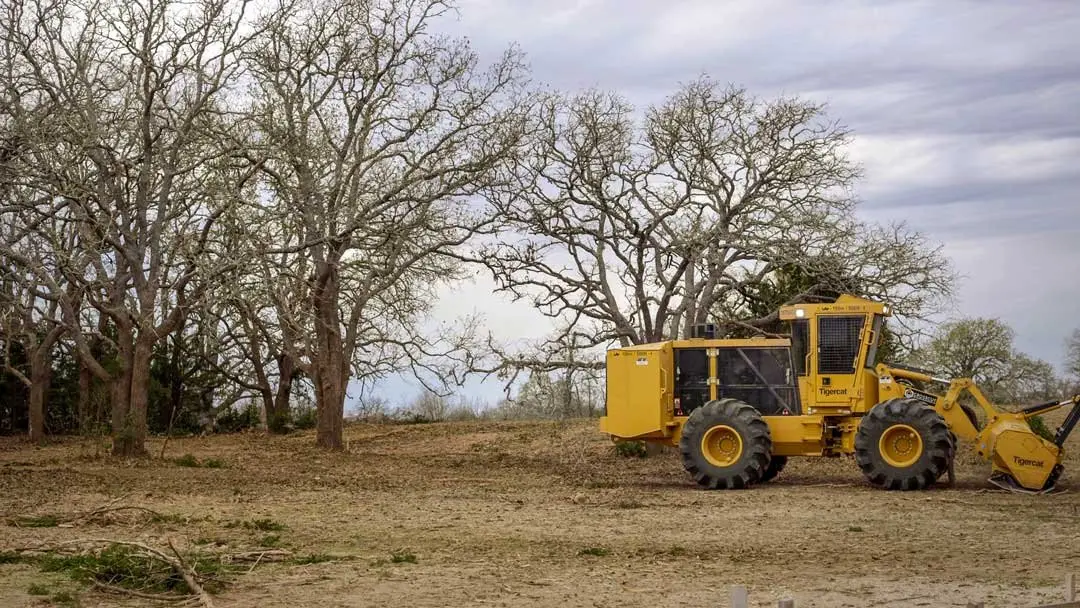
Right next to trunks, fences and structures, a hand crew takes over with chainsaws. That’s the detail work that keeps a selective job from looking like a machine went through it. Larger trees that need to come out whole can be cut and lifted with the Tigercat 720.
Selective jobs also tend to go in passes. The machines open the ground first, then the hand crew comes behind to clean up around the keeper trees, and the owner checks the result against what you marked together.
Opening views and lines of sight
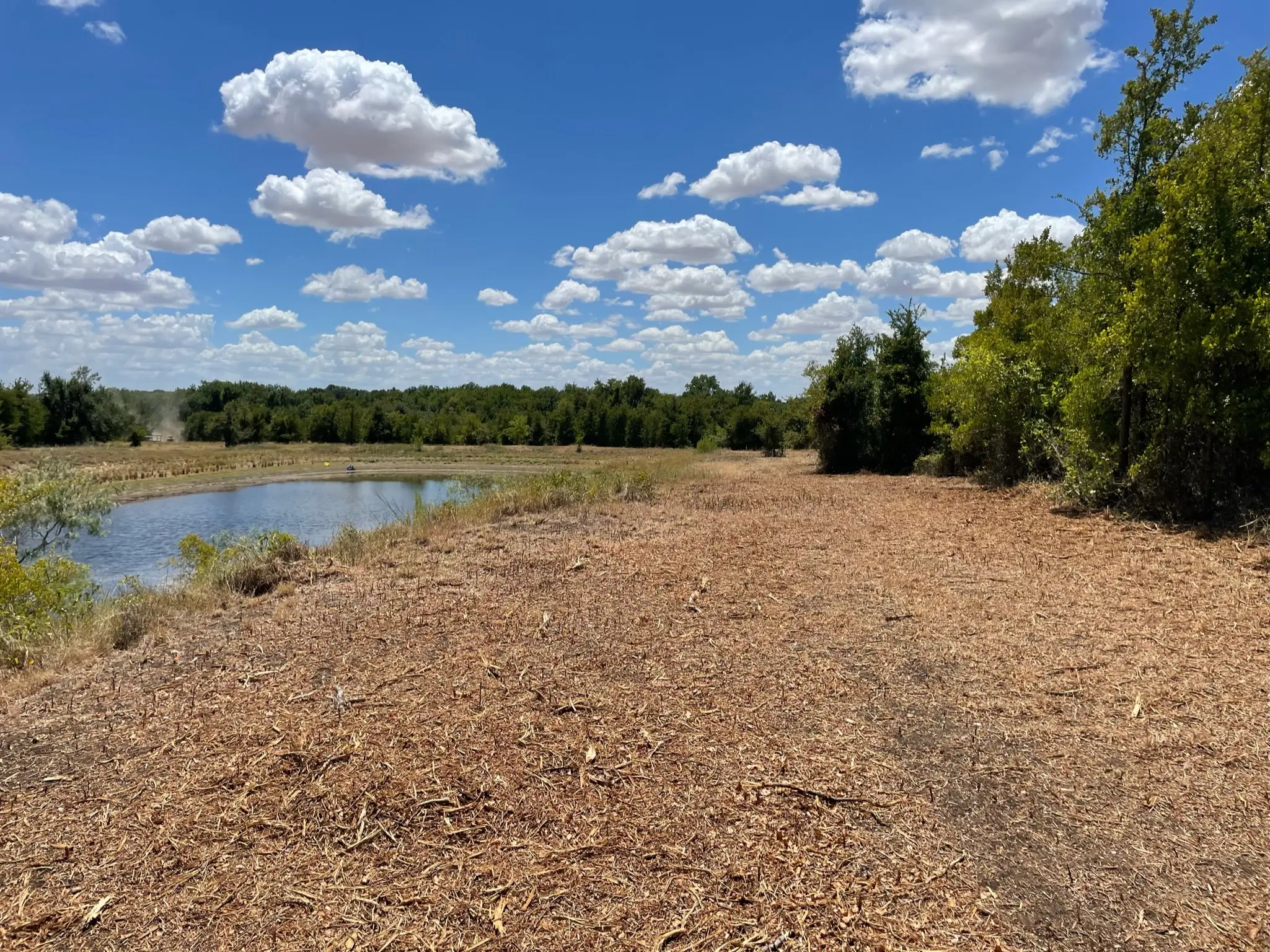
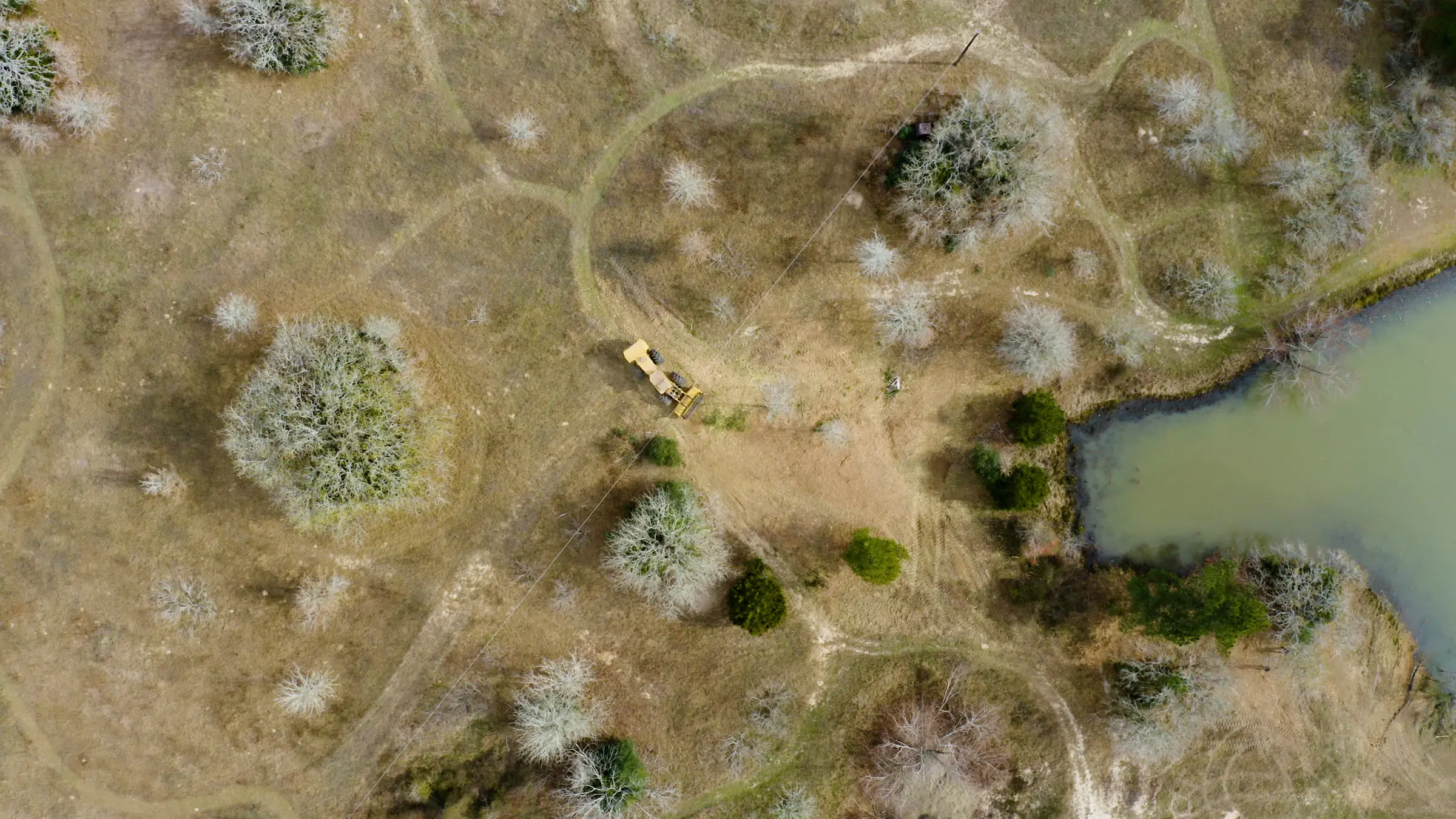
Overgrowth hides the best parts of a property. Ponds are a common one: what used to be a clear view of the water turns into a wall of brush that isn’t pleasant to look at. Selective clearing takes out just what’s in the way, so you can walk and see right to the shore again.
The same work opens views from a porch or a hilltop and creates hunting lines of sight without wiping out the cover deer use.
Fuel breaks for wildfire
Selective clearing is often used for fuel reduction. Thinning brush and low growth creates a fuel break that slows a wildfire and gives firefighters more room to control it.
Around homes and barns, that usually means clearing the brush and ladder fuels while keeping healthy, well-spaced trees. We lay out where the break goes during the walk-through, based on the buildings and the brush you have.
Thinning also helps the trees that stay. With the brush and cedar gone from underneath, the oaks you keep aren’t competing for the same water, and you can see and reach the ground under them to keep it that way.
Careful around oaks
Oak wilt is active in Central Texas, and fresh wounds on oaks can let it in. We follow Texas A&M Forest Service guidance on every job with oaks: we avoid wounding them from February through June and paint any wounds right away.
Mulching the cedar and brush around your oaks, instead of dragging it out, keeps the roots and the ground under them disturbed as little as possible.
What the job can include
- Selective tree removal
- Underbrush clearing
- Clearing around oaks and native trees
- View and line-of-sight opening
- Hunting line of sight
- Fuel breaks around homes and structures
- Hand-crew chainsaw detail work