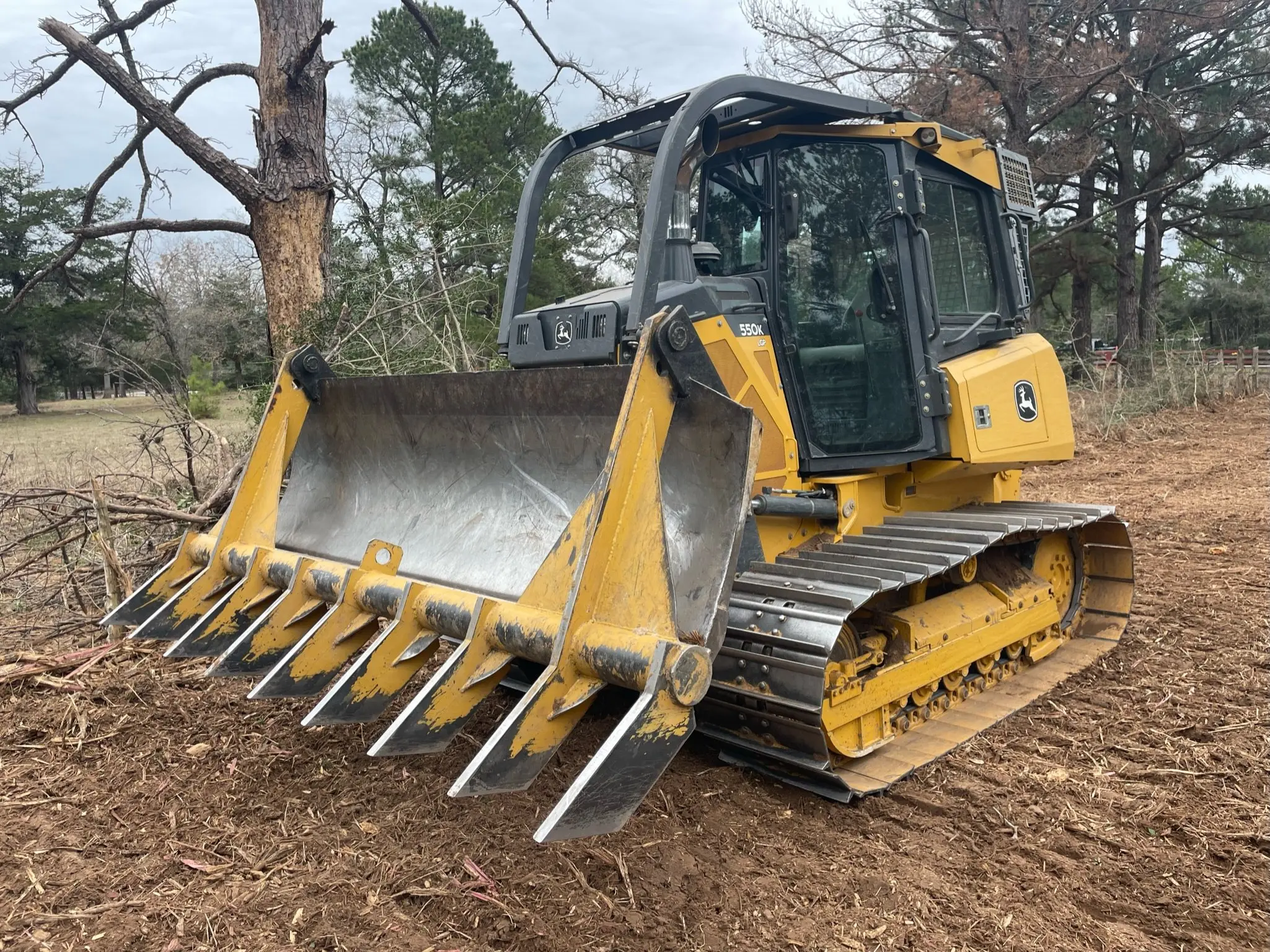
John Deere crawler dozer fitted with a root rake on cleared pasture ground

Serving Bertram, Austin & Central Texas

Mesquite grubbing in Bertram, TX

Mesquite cut at the ground comes right back. Pulling the root is how you clear it once.

  • Free on-site estimates
  • Mon–Sat, 8:00am–5:00pm

Mesquite grubbing is how we handle one of the most stubborn trees in Central Texas. Grubbing means pulling the tree out so most of its root system comes with it. Landowners around Bertram, TX usually call us after they’ve cut their mesquite once and watched it come back thicker than before.

Mesquite is known to re-sprout when it’s mulched or cut at the ground. If you want a permanent fix, grubbing is the way to go, and it sets the pasture up for everything that comes after. An owner walks the field with you first to sort the mesquite from the brush that can simply be mulched.

Why mulching alone doesn’t work on mesquite

Cedar dies when you cut it to the ground. Mesquite doesn’t. The root crown stays alive below the surface and pushes up a cluster of new shoots, so a pasture that was mowed or mulched fills back in with more stems than it had before.

That’s why we treat mesquite differently from the rest of the brush on your place. The goal is to get the root crown out of the ground, not just the part you can see. Leaving it behind means paying to clear the same field again in a few years.

Mowing and shredding only buy time on mesquite. They knock the top back for a season, but the root keeps getting bigger, and each round of cutting leaves more stems to deal with the next time.

How grubbing is done
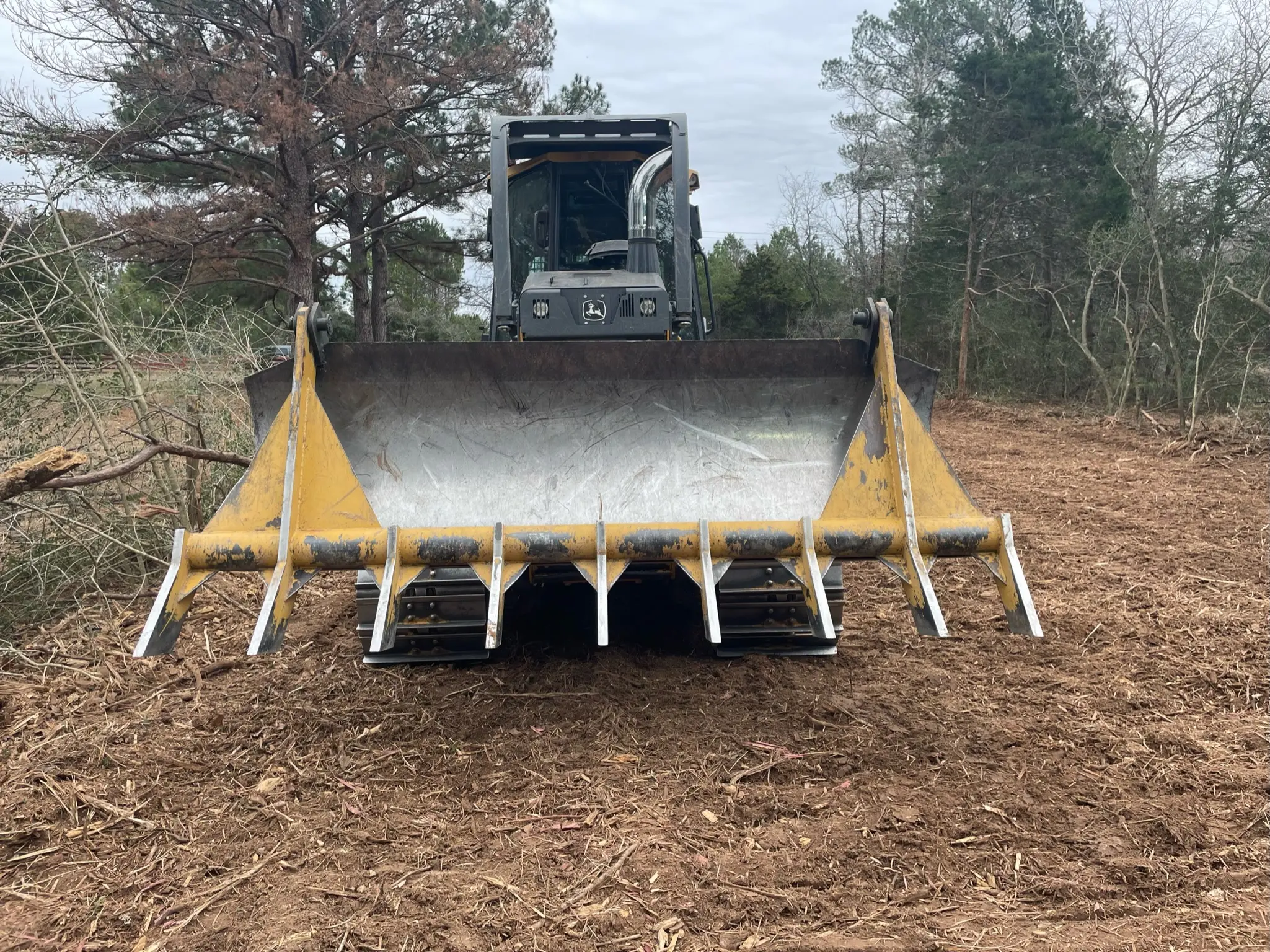
Front view of a John Deere dozer's root rake tines on a cleared site

The John Deere dozer with a root rake pushes into the ground and lifts mesquite and stumps out with the roots attached. It also rakes up roots and rock left behind, so the pasture isn’t full of buried snags that catch a shredder or a hay rake later.

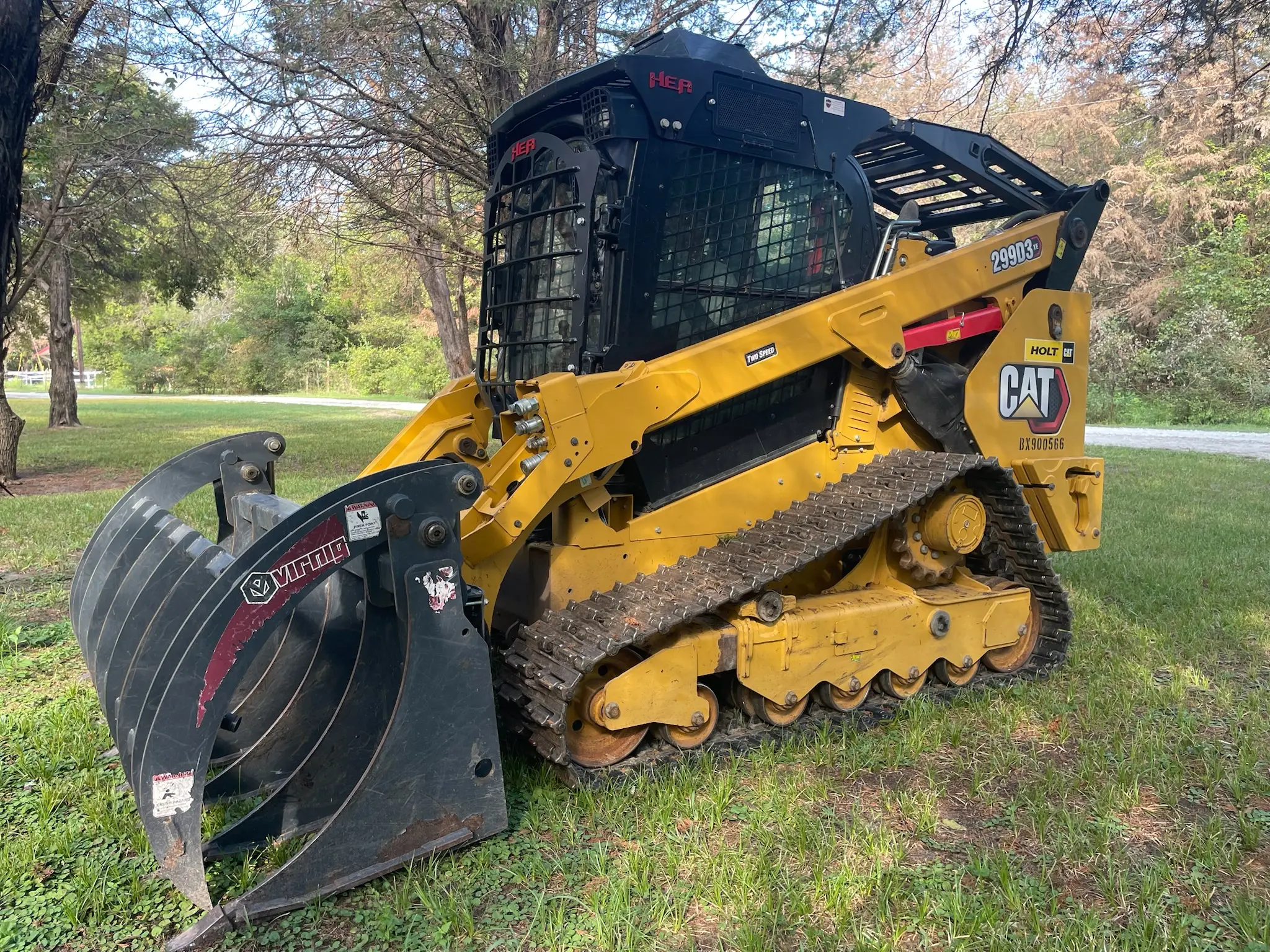
On smaller trees and scattered clumps, our Cat skid steers with grapple buckets pull and move material. What happens to the grubbed trees afterward is part of the plan we agree on during the walk-through.

Timed around soil moisture
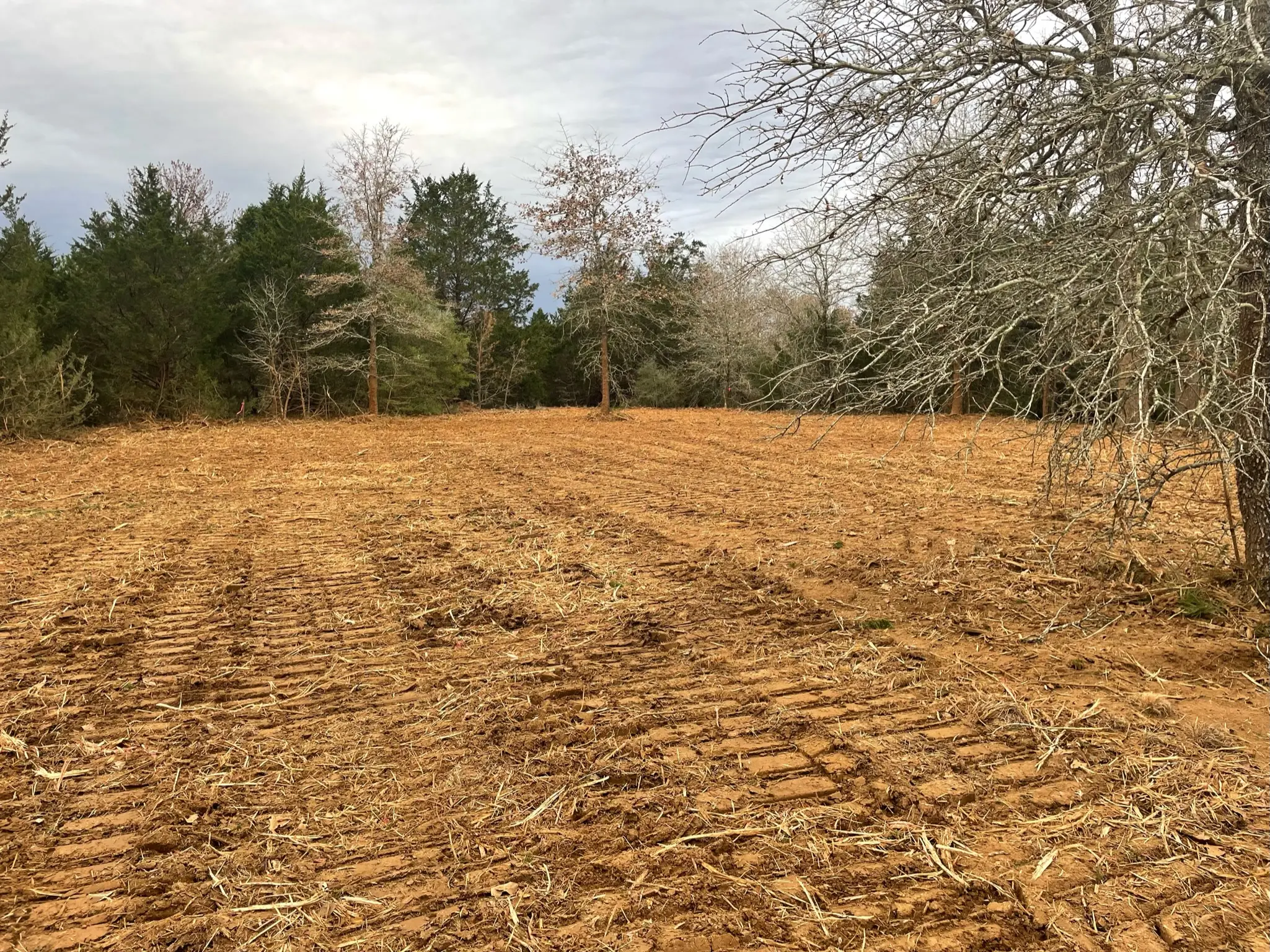
Field left in neat rows after root raking

Grubbing works the ground harder than mulching does, so timing matters. Too wet, and heavy machines rut your pasture. Too dry, and the ground fights back. We plan the work around soil moisture so the field is left in good shape.

Pace depends on how thick the mesquite is, the size of the trees and the ground under them. The owner gives you a schedule after walking it, and it can shift with the weather.

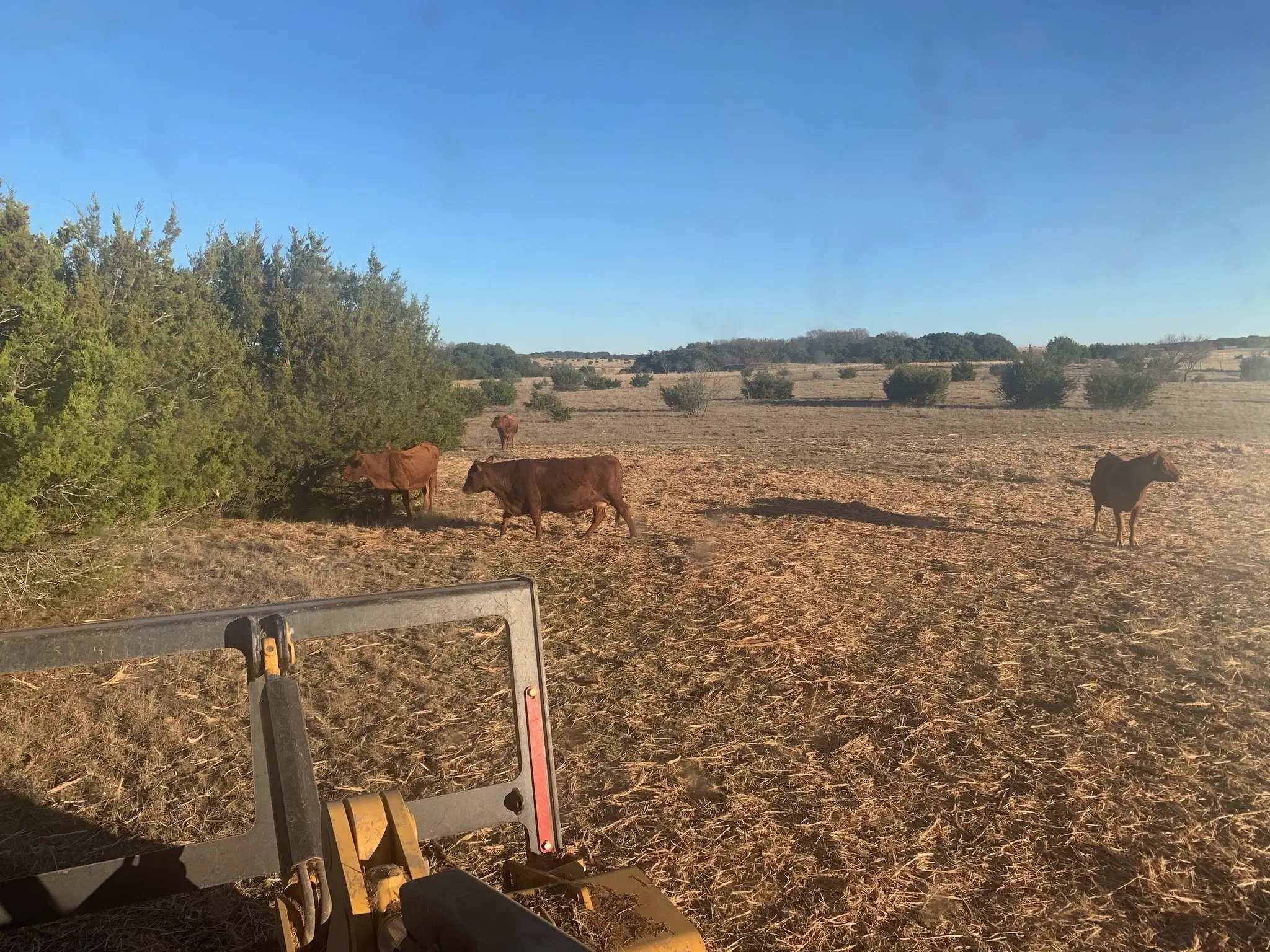
Mesquite pastures often have stock tanks, fence rows and ranch roads mixed in. We work around them, and if the fences or roads need attention too, the same visit can cover it.

Huisache and mixed brush

Huisache gives landowners the same headache and gets the same treatment. Mixed stands are common, so we usually grub the mesquite and huisache and mulch the cedar and other brush that won’t come back from the root.

Sorting that out species by species is what keeps the cost of the job in line with the result. There’s no reason to grub cedar, and no point mulching mesquite.

On ground that also has oaks you want to keep, we work around them and follow Texas A&M Forest Service oak wilt guidance on timing and wound painting.

What the field looks like afterward

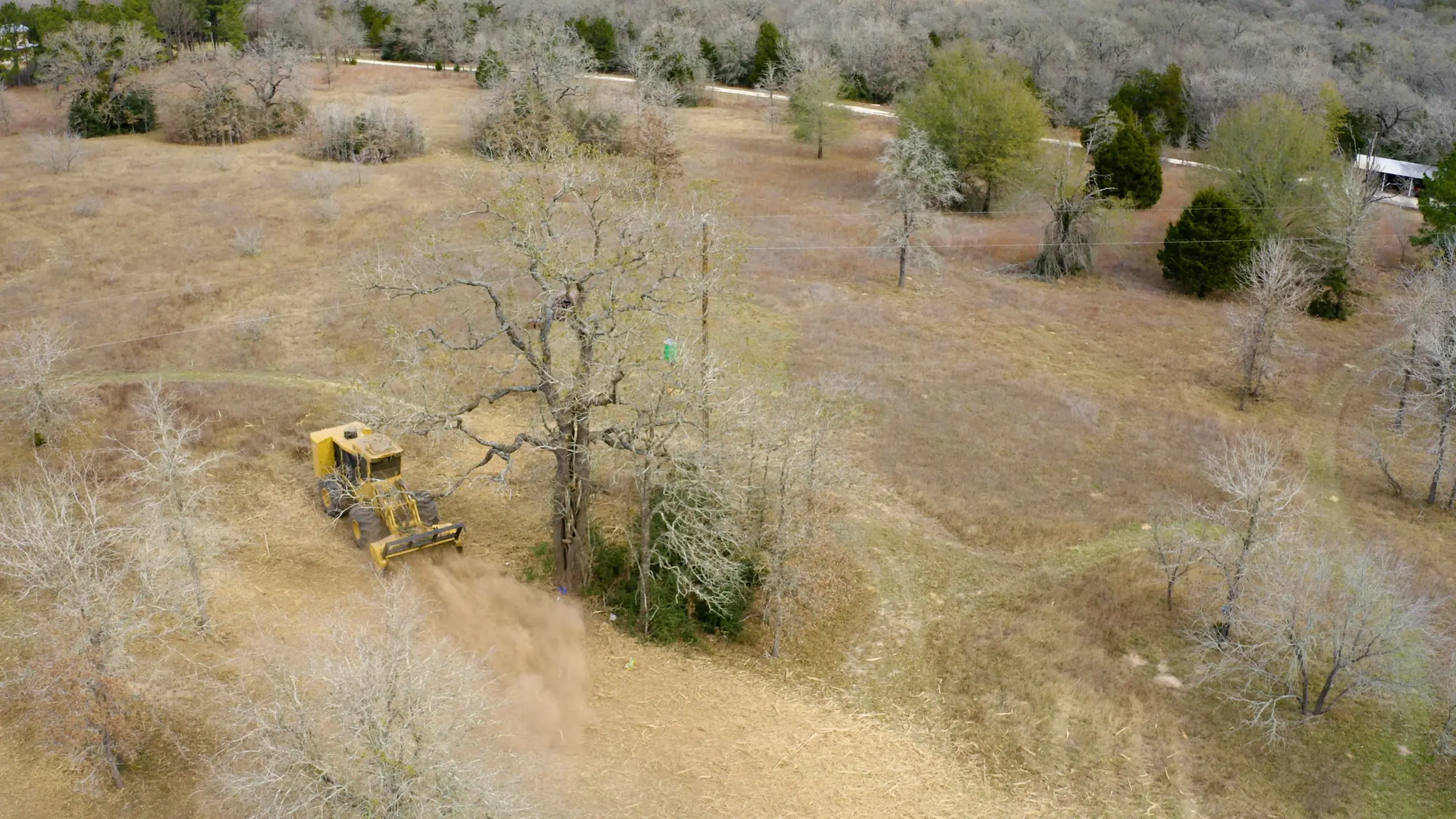
A grubbed pasture has disturbed soil where the trees came out and raked ground in between. That’s the point where grass can take back over, or where you seed or plant if that’s part of your plan.

Grubbing is often the first step in a full pasture restoration, followed by cedar mulching on the edges and fence row clearing, so the field comes back as one usable piece.

If you’re working with a USDA or NRCS grant program on brush management, tell us on the first call. Crosscut supports those projects, and the owner who walks the pasture can plan the grubbing around what your program calls for.

What the job can include

  • Mesquite grubbing and root removal
  • Huisache removal
  • Stump removal
  • Root and rock raking
  • Pasture reclamation
  • Regrowth prevention
Talk it through: (512) 890-2555

The iron for this job

What we bring for mesquite grubbing

The owner picks the machine on the walk-through, matched to your ground — not whatever happens to be on the trailer.

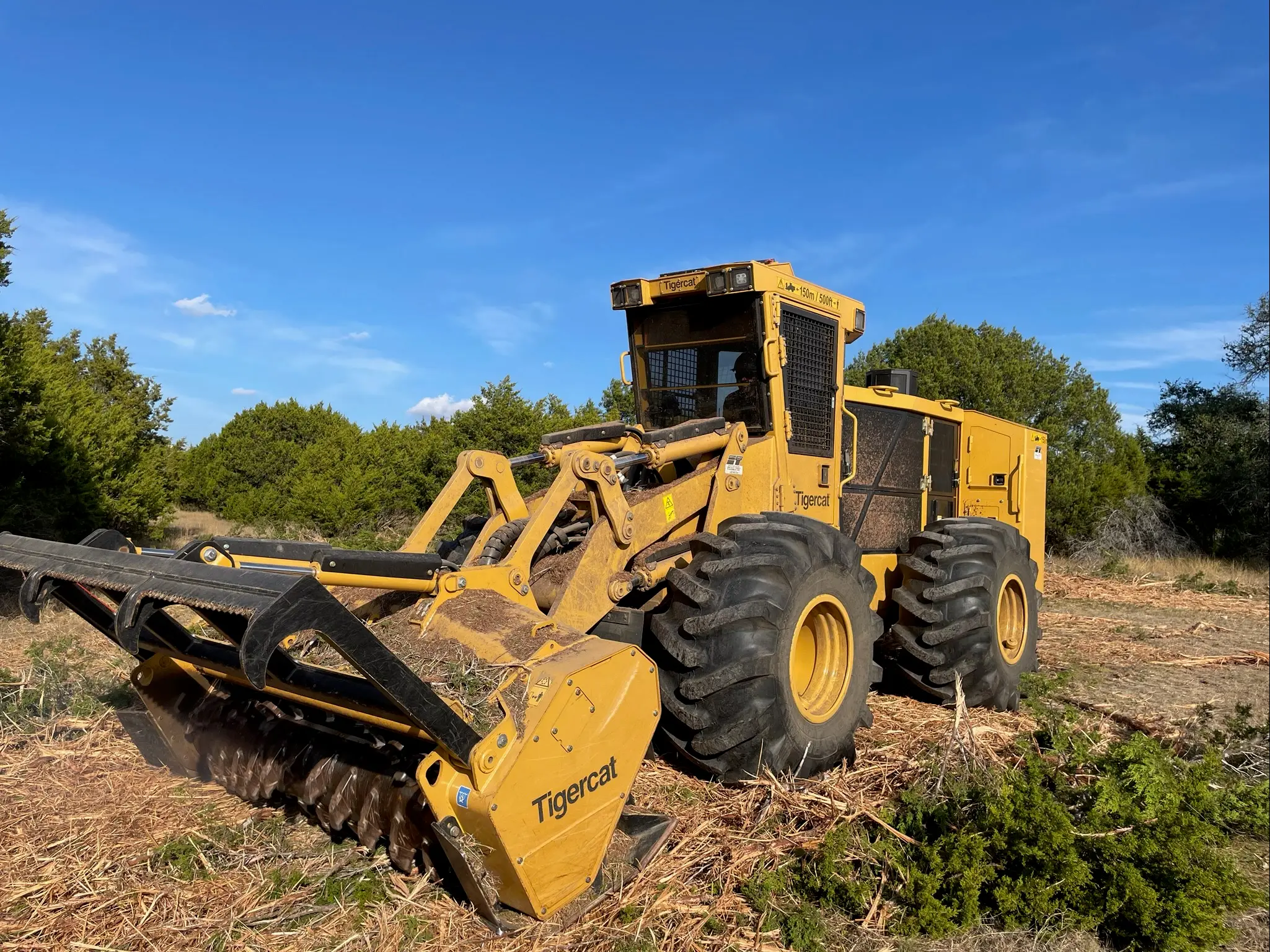
  1. John Deere crawler dozer fitted with a root rake on cleared pasture ground03

    Grubbing & raking

    John Deere dozer with root rake

    rake
    Root
    mesquite & stumps
    Grubs

    The rake tines pull mesquite root crowns, stumps and rock out of the ground and leave the dirt behind, so a pasture is cleared once instead of every few years.

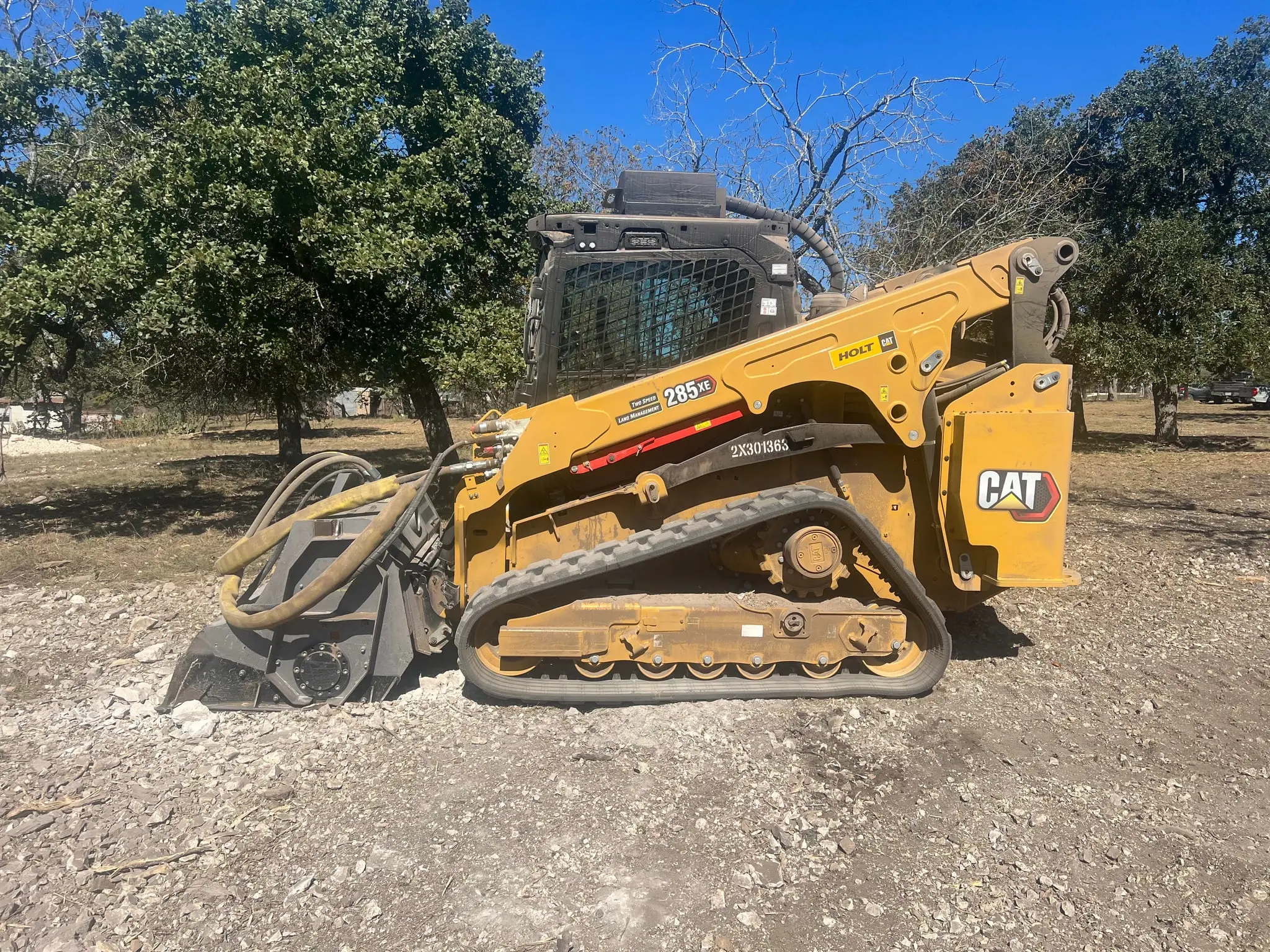
  2. Cat 285 XE tracked skid steer with a mulching head attachment on rocky Hill Country ground06

    Tracked skid steer

    Cat 285 skid steer

    attachments
    3
    carrier
    Tracked

    Swaps between a grapple bucket, a rock crusher and a mulching head, so one machine can mulch a homesite, crush the rock and clean up the debris.

    Attachments

    • Grapple bucket
    • Rock crushing attachment
    • Mulching head
  3. Cat 299 tracked skid steer with a grapple bucket attachment07

    Tracked skid steer

    Cat 299 skid steer

    attachments
    3
    carrier
    Tracked

    The grapple moves brush and logs, the rock crusher turns limestone into usable base for pads and drives, and the mulching head handles brush around structures.

    Attachments

    • Grapple bucket
    • Rock crushing attachment
    • Mulching head

See the whole Crosscut fleet

Reviews

Landowners say it better than we do

  • “3 days, 2 machines and 2 operators. Both were professional, efficient and productive. I have recommended them to my neighbors.”

    John S.Google review

  • “Crosscut is awesome, I couldn’t have been more happy with the work they did on my land. They treat it as if it were their own.”

    GeorgeLandownerCrosscut customer

  • “From numerous phases of selective vegetation clearing to strategic trenching for oak wilt management and most recently some meticulously selective clearing to enhance the view from our living area window. Every move they make is done so with purpose and precision.”

    Brad B.Ranch ownerGoogle review

Read more landowner reviews

Questions

Mesquite grubbing questions, answered

Still wondering about your property? An owner will answer it on site.

(512) 890-2555
What does grubbing mean?

Grubbing is pulling a tree out of the ground with most of its root system attached, instead of cutting it off at the surface. With mesquite, that root is what keeps it coming back, so getting it out is what makes the clearing last.

Why does my mesquite keep growing back?

Mesquite re-sprouts from the root crown when the top is cut, mowed or mulched. Each cut stump can send up several new stems, which is why a mowed pasture often looks thicker a few years later. Removing the root crown stops that cycle.

Will grubbing tear up my pasture?

It disturbs more ground than mulching, which is why we time the work around soil moisture so machines don’t rut your field. The root rake also gathers up roots and rock so the pasture is easier to work and mow afterward.

Do you remove huisache too?

Yes. Huisache removal is part of the same job. On mixed ground we grub the species that sprout from the root and mulch the rest, so each kind of brush gets the treatment that actually works on it.

Is grubbing a good fit before planting a field?

Yes. Pulling the stumps and raking out roots and rock leaves ground that can be worked, which mulching alone doesn’t do. It’s a common first step before seeding a pasture or putting in a food plot.

Can you grub mesquite in a burn ban?

Yes. Grubbing doesn’t involve burning, so a burn ban doesn’t stop the work. Grubbed trees are handled the way your plan calls for rather than piled for a fire, and the cedar and brush in the same field can be mulched in place.

Ready for mesquite grubbing? Walk the land with an owner.

Free on-site estimate. Straight plan, fair price, before a machine rolls in.

  • Free on-site estimates
  • Mon–Sat, 8:00am–5:00pm
Call nowFree estimate