
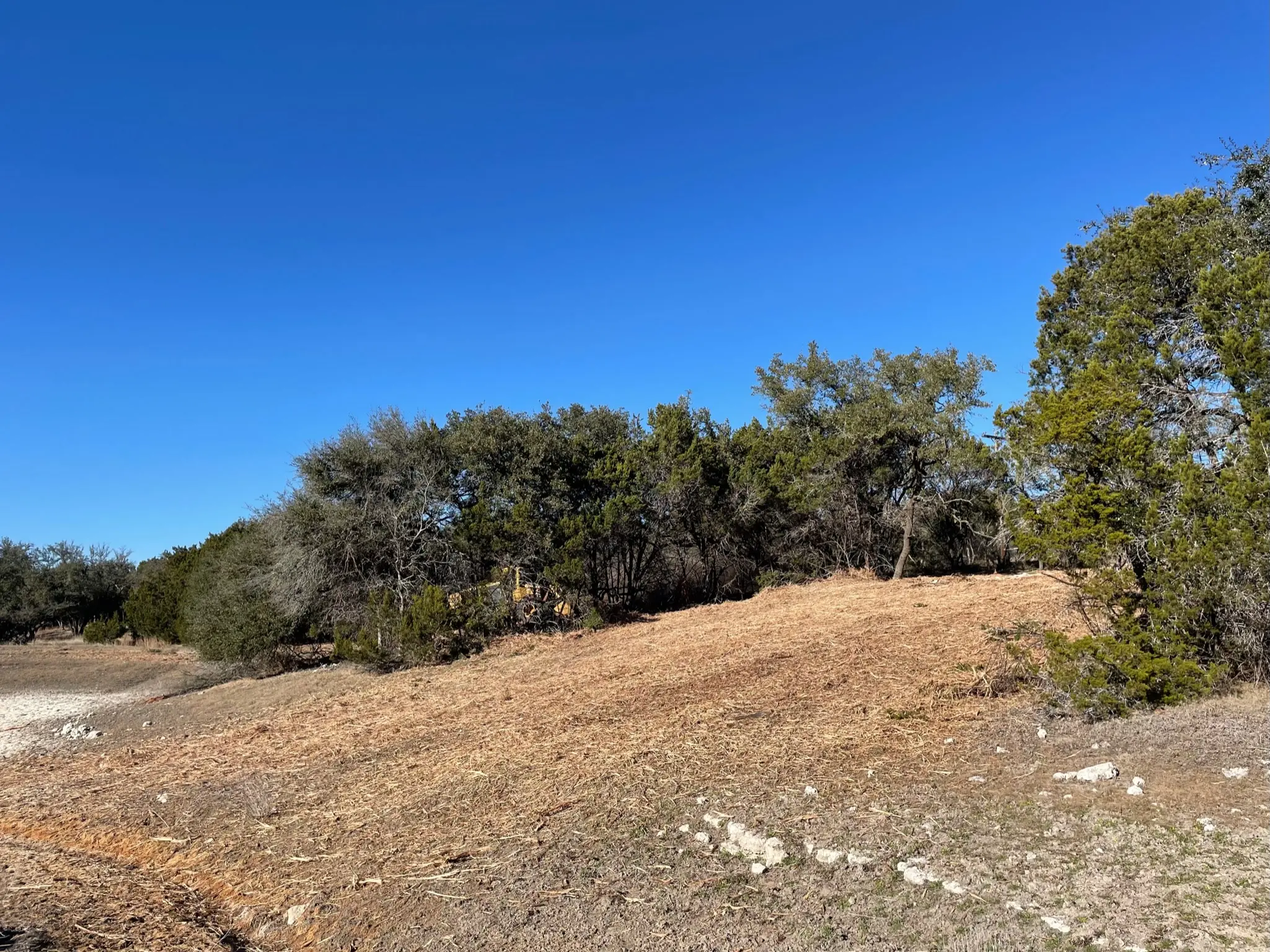
Austin is a city split down the middle by geology. The Balcones Escarpment runs north to south through town, close enough to I-35 that locals use the highway as shorthand for the line. West of it you’re on the Edwards Plateau: limestone hills, soil that barely covers the rock and Ashe juniper crowding the live oaks. East of it, the Blackland Prairie flattens into deep black clay that swells after rain and cracks open in drought.
Barton Springs pushes water out of the Edwards Aquifer at Zilker Park, nearly on the seam. So land clearing in Austin starts with one question: which side of the line is your property on? Tracts near Loop 360 and the Barton Creek Greenbelt can even carry both kinds of ground on one property.
Whichever side yours is on, Jordan LaVine walks it before a number goes on paper.
Communities we work in Austin
- Westlake Hills
- Barton Creek
- Bee Cave
- Lakeway
- Steiner Ranch
- Dripping Springs
- Driftwood
- Manor
- Hornsby Bend
- Del Valle
- Webberville
- Pflugerville
What the work looks like, west and east
On the west side it’s build sites, driveway and pad prep through surface limestone, and cedar removal to free mature live oaks around Westlake, Barton Creek, Lost Creek and out past Bee Cave.
On the east side it’s pasture reclamation, mesquite grubbing, fence lines and site prep along the SH-130 corridor near Giga Texas and the Whisper Valley community by Manor. Growth lands on raw acreage first, and clearing is the first trade on the ground.
City trees, warblers and oak wilt
Inside city limits the tree ordinance (19 inches protected, 24 inches heritage for listed species) comes with a critical root zone that runs a foot of radius per inch of trunk, so where a machine parks matters as much as what it cuts. Bee Cave, Lakeway and unincorporated Travis County have their own rules, so we confirm jurisdiction parcel by parcel.
Mature Ashe juniper in juniper-oak woodland is the only nesting habitat the endangered golden-cheeked warbler uses, and it can’t be disturbed from March 1 through August 31. Oak wilt is endemic too, so we follow Texas A&M Forest Service guidance: no wounding oaks February through June, and every wound painted right away.